The scorecard
7.3/10 · Good
- Composition20%
- 7.0
- Recording15%
- 8.5
- Performance30%
- 8.0
- Cohesion15%
- 6.5
- Originality10%
- 5.5
- Replay value10%
- 7.0
Mitchell's songs provide strong frameworks but the arrangements play it safe, rarely reworking the originals enough to justify the exercise beyond tribute.
Larry Klein's recording captures the quintet with warmth and clarity, balancing Shorter's horn against Loueke's guitar textures without crowding the vocals.
Shorter's improvisations on "Both Sides Now" and "Nefertiti" are searching and patient, though the rhythm section stays tastefully behind the vocals rather than challenging them.
Ten Mitchell covers plus one Wayne Shorter tune makes for respectful pacing but little dramatic shape; the album feels like a well-sequenced recital rather than a statement.
Covering a songwriter with jazz arrangements is familiar territory and this version adds refinement more than reinterpretation, safe next to Head Hunters or even the risks on Mingus.
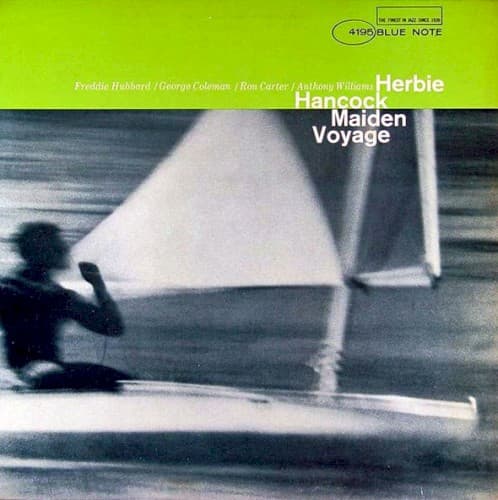
The guest vocals and Shorter's solos reward returns but the careful arrangements reveal their limits after a few listens, unlike the endlessly replayable writing on Maiden Voyage.
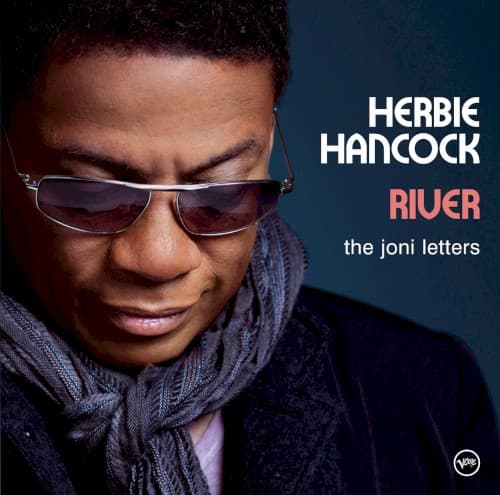
Herbie Hancock River: The Joni Letters — The Tribute That Played It Safe and Won Anyway
Herbie Hancock won Album of the Year at the 2008 Grammys for a set of Joni Mitchell covers that never once threatened to overshadow the originals. River: The Joni Letters is polite, beautifully played and careful in all the ways a tribute album defaults to when the arranger respects the source material more than he trusts his own instincts. Hancock and Wayne Shorter had worked with Mitchell before, on her 1979 Mingus album, and both clearly understand her harmonic language. What they do not do here is argue with it.
These ten Mitchell songs, plus one Shorter composition that fits the mood, get tasteful jazz treatments that frame guest vocalists and make space for solos without reimagining the tunes or using them as departure points for anything riskier than what a well-rehearsed quintet can do in its sleep.
The question the album raises is whether Hancock in 2007 needed to make a record this modest. Maiden Voyage reinvented modal jazz composition. Head Hunters built new rhythmic structures from scratch. River assembles an elite band, invites vocalists who range from Norah Jones to Leonard Cohen, and then arranges Mitchell's catalog with the kind of deference you hear when the goal is not to mess it up.
The result charted higher than any Hancock album in decades and beat four pop records for the Grammy. It also sounds like the work of a pianist who once transformed the idiom now content to honor someone else's transformations. The playing is often gorgeous. The choices are almost never bold.
Arrangements That Serve Without Reimagining
Hancock's quintet for the sessions is as strong as any working band in jazz in 2007: Wayne Shorter on saxophones, guitarist Lionel Loueke, bassist Dave Holland and drummer Vinnie Colaiuta. Shorter is the consistent presence across all ten tracks and his tone, especially on soprano, gives the album its thread. His solo on "Both Sides Now," the one instrumental, unfolds with the patience of a musician who does not need to prove anything, each phrase answering the last in long arcs that stretch Mitchell's melody without abandoning it. "Nefertiti," the only non-Mitchell composition, finds Shorter in dialogue with his own 1968 tune and Hancock comping with the same restraint he brought to the Miles Davis Quintet. These two tracks show what the album could have been if it had trusted the quintet to lead rather than accompany.
The vocal features are where the arrangements pull back. Norah Jones on "Court and Spark" gets a bossa setting that flatters her understated delivery but never departs from the original's conversational mood. Corinne Bailey Rae on "River" sings over quiet piano and bass, pretty and forgettable. Tina Turner on "Edith and the Kingpin" brings grit the arrangement does not support; Prince plays uncredited guitar on the track and even that remains in the background, a missed opportunity for friction. Leonard Cohen on "The Jungle Line" speaks more than sings against Loueke's guitar and Colaiuta's shifting rhythms, the most adventurous setting on the record and still more curio than transformation. Joni Mitchell herself appears on "Tea Leaf Prophecy," her voice aged but still phrasing with authority, and the band plays as if in the presence of the composer rather than in service of the composition.
Producer Larry Klein, Mitchell's former husband and longtime collaborator, recorded the sessions with warmth that privileges clarity over atmosphere. The piano sits centered, Shorter's horn slightly left, Loueke's guitar adding color without clutter. Holland and Colaiuta stay light, responsive but rarely assertive. For an album built around voices the production works. For a Hancock record it feels too polite, every element in its expected place with no room for the accidents that made his earlier records vital. The weakness is not in the playing but in the conception: these are accompaniments to songs rather than new compositions built from Mitchell's themes.
A Sequence of Moments Without a Journey
River plays as a suite of tributes rather than an album with an arc. The sequencing alternates vocal features with two instrumentals and the pacing is even, almost to a fault. The opening stretch moves from warm mid-tempo vocal features into the first instrumental at seven minutes, a length that feels earned. The middle section includes a second instrumental at over eight minutes, giving the album breathing room but no real contrast, another modal meditation in the same register as the tracks around it.
By the closing run, the formula is visible: vocal feature, careful solo, return to theme, next song. The album never sags but it never peaks either. The best individual performances are scattered across the runtime without building toward a climax or developing an idea. The seventy-minute length includes no filler but also no sense that the track order creates meaning beyond variety.
Hancock sequenced earlier work to move from buoyant to introspective or to build and release tension through structure. River sequences for taste, and taste alone does not make an album more than the sum of its tracks.
A Grammy Winner That Ranks Well Below the Catalog
River: The Joni Letters is Hancock's most commercially successful album in decades and among his least essential. It sits well below Maiden Voyage, where his writing defined a sound, and below Head Hunters, where he rebuilt jazz rhythm from synthesizers and funk. It ranks as a tasteful tribute elevated by the musicians playing on it, which is to say it succeeds at what it attempts and attempts less than Hancock has shown he is capable of. The Grammy win says more about the Recording Academy's occasional need to honor a jazz elder than about the album's place in the genre or the catalog. The third jazz record to win Album of the Year is also the safest.
This is for listeners who want beautifully played Mitchell songs with jazz voicings, Shorter completists, and anyone curious how a piano trio handles "Both Sides Now." It is not for listeners who expect Hancock to lead or who want the kind of formal invention that made his sixties and seventies work canonical. The vocal features are too consistent in mood to offer much range and the instrumentals, while strong, do not compensate for the overall modesty. Start with "Both Sides Now" for Shorter at his most patient, then "Nefertiti" for the rhythm section doing what it does best. If those two tracks feel like enough, they are. If you want Hancock taking risks rather than paying respects, go back to the records where he did.
Track by track
Track Listing
Court and Spark
SolidNorah Jones opens the album in her comfort zone, conversational and warm over a bossa-inflected groove. The arrangement gives her space to phrase behind the beat and Hancock comps lightly, more accompanist than co-creator. Shorter's solo in the second half adds melodic development Jones does not attempt, but the track never pushes past Mitchell's original structure. A pleasant start that sets the tone for an album more interested in respect than reinterpretation.
Edith and the Kingpin
SolidTina Turner brings a lived-in rasp to Mitchell's character study and the band leans into a slow funk that could have gone further. Prince's uncredited guitar stays in the background when the track needed his edge up front. Colaiuta's drumming has the most personality here, pushing against the arrangement's politeness, but the vocal and the band never fully connect. A missed opportunity for the friction the album rarely permits.
Both Sides Now
StandoutThe first instrumental and the album's clearest argument for itself. Shorter takes Mitchell's melody on soprano and stretches it across seven minutes of patient, searching improvisation, each phrase unfolding from the last without hurry. Hancock's voicings are richer here than on the vocal tracks, moving through the harmony rather than simply supporting it. Holland and Colaiuta respond with the kind of interactive playing the album too often mutes under the singers. This is the quintet at full strength, proving they could have carried the whole project if Hancock had trusted them to. The strongest track and the one that sounds least like a tribute.
River
WeakCorinne Bailey Rae sings with delicate phrasing over quiet piano and bass, and the restraint becomes a problem. Mitchell's lyric already aches; the arrangement adds nothing but space, and space without tension is just waiting. Shorter sits this one out and no instrumental voice fills the gap. Pretty, forgettable and too slight to justify its place in the sequence.
Sweet Bird
SolidThe second instrumental and the longest track, giving the quintet room to develop Mitchell's theme without a vocalist to frame. Shorter moves between soprano and tenor, Loueke's guitar adds harmonic color, and the rhythm section finally asserts itself with the kind of swing the vocal tracks suppress. The eight minutes feel earned but also reveal the limitations of the approach: the band is exploring Mitchell's changes more than using them as a springboard, which keeps the track grounded when it could lift off. Solid playing in service of a concept that plays it safe.
The Tea Leaf Prophecy (Lay Down Your Arms)
SolidJoni Mitchell herself appears, her voice older and less supple but still phrasing with the authority of someone who wrote the words. The band plays with audible reverence, Hancock comping as if accompanying a master class, and the result is moving as a historical document but inert as a jazz performance. Mitchell's presence shifts the session from interpretation to preservation, which is exactly what the album does not need more of. An honorable inclusion that underscores the project's deference.
Solitude
SolidAnother instrumental, this time leaning into the title's introspection with Shorter on tenor and Hancock voicing chords that let silence do the work. The track has no clear peak and no need for one; it settles into a mood and stays there. Effective as an interlude but slight compared to the two longer instrumentals, and it arrives at a point in the sequence where the album has already established that instrumental stretches will play it safe. Brief and tasteful, which by now is a pattern.
Amelia
SolidLuciana Souza's higher, airier voice offers a contrast to the earthier vocalists earlier in the album, and the arrangement matches her register with a lighter touch from the rhythm section. Shorter's solo in the second half has more presence than on most of the vocal features, stepping into the foreground rather than staying politely behind. The track works on its own terms but does not shift the album's momentum, another well-executed moment in a sequence of well-executed moments. The lack of dynamic variation across the vocal tracks becomes the issue, not the quality of any individual performance.
Nefertiti
StandoutWayne Shorter's 1968 composition, the only non-Mitchell tune on the album, finds the quintet returning to familiar territory with the composer present. Hancock and Shorter played this piece with the Miles Davis Quintet and the arrangement here honors that history without repeating it: Loueke's guitar takes the role the trumpet once held, and Colaiuta's drumming is more active than Tony Williams ever allowed himself on the original. The track breathes in ways the Mitchell covers do not, the band trusting each other to push without a vocalist to protect. It sits second to last and feels like a reminder of what the musicians are capable of when they stop being so careful. Strong, though not quite essential next to the catalog of readings this tune has received.
The Jungle Line
SolidLeonard Cohen speaks more than sings over Loueke's guitar and Colaiuta's restless rhythms, the most adventurous arrangement on the record and the one that least resembles a standard jazz vocal feature. Cohen's voice is a rumble, his phrasing conversational and free of the melody, and the band responds with textures rather than swing. The track risks more than anything else here and it still feels like a curio, interesting for the presence of two icons but not cohesive as a performance. A bold closer that arrives too late to shift the album's overall caution, though it suggests what a riskier version of this project might have sounded like.