The scorecard
8.3/10 · Great
- Composition20%
- 8.5
- Recording15%
- 8.0
- Performance30%
- 9.0
- Cohesion15%
- 7.0
- Originality10%
- 7.5
- Replay value10%
- 8.5
The title track is a twenty-four bar blues with a riff so direct it works as a jingle and a head so sly it sustains ten minutes of blowing without sagging.
Van Gelder captured the rhythm section as a single breathing organism, the bass and drums locked tight under the horns, with Harris in clean balance.
Morgan and Henderson trade choruses with the control of studio professionals and the invention of players who had something to prove, every solo moving forward.
The Sidewinder and Totem Pole anchor the album with scale and focus, but the shorter tracks feel like professional competence rather than necessary statements.
Morgan built a bridge from hard bop to soul jazz with a riff any listener could hum, a commercial instinct that did not soften the improvisation.
The title track has outlasted the era that made it a hit and the two long tracks still deliver after fifty years of familiarity.
Lee Morgan The Sidewinder — How a Riff Saved a Label and Trapped a Trumpeter
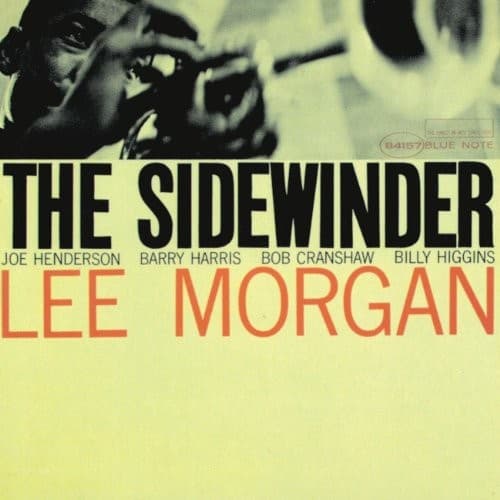
The Sidewinder is the album where Lee Morgan turned a twenty-four bar blues into a commercial weapon and a creative trap. The title track hit the Billboard pop chart, sold out its first pressing in four days, and rescued Blue Note from near bankruptcy in 1964. It worked as a Chrysler commercial, a television theme, and a jazz standard, all because Morgan wrote a riff so clean and so insistent that any listener could carry it out of the room.
The achievement was real: Morgan and Joe Henderson played ten-minute solos over that riff without losing momentum, Barry Harris anchored the changes with the economy of a player who understood when not to fill space, and the rhythm section of Bob Cranshaw and Billy Higgins made the boogaloo groove sound like part of the hard bop tradition rather than a concession to it. The problem was what came after. Blue Note executives heard a formula in The Sidewinder and demanded more of it, postponing or shelving Morgan's follow-up albums unless they opened with another soul-jazz tune designed to chase the same audience. Morgan spent the next several years writing variations on a success he had already exhausted, and the label missed the chance to document a trumpeter who had more to say than one great hook.
The album itself escapes the trap it set. The Sidewinder and Totem Pole are the two long performances, both built on blues structures with enough room for the horns to stretch, and both shaped by the same quality: Morgan's ability to make a simple melodic idea sound inevitable rather than thin. The three shorter tracks are solid hard bop studio work, professional and contained, without the reach or the risk of the opening pair. The album works because the two long tracks are complete statements and because the band plays them with the assurance of musicians who knew they were making something that would last beyond the session date.
Riff, Groove, and the Hard Bop Frame
The title track is a twenty-four bar blues with a riff borrowed from the rhythms of Latin boogaloo, dressed in the language of hard bop improvisation. Morgan built the melody from two phrases: a descending figure that slides like the snake in the title, and a response that climbs back up with just enough syncopation to keep the groove from settling into predictability. The form is long enough to let the soloists develop ideas across multiple choruses and short enough to keep each chorus from dragging. Morgan and Joe Henderson trade the lead, Morgan playing with the clean tone and precise articulation he brought from his years in Art Blakey's band, Henderson working in longer phrases with more space between them. Harris comps with the discipline of the bebop tradition, outlining the changes without stepping on the horns, and the rhythm section locks the beat so tightly that the groove never shifts or loosens across ten minutes.
Totem Pole follows the same blueprint with a different riff, this one built on a modal vamp rather than a blues progression. The melody is less immediate than The Sidewinder, more reliant on the rhythm than on a singable contour, but the band plays it with the same focus. Henderson opens the solos and Morgan follows, both players building their improvisations from the materials of hard bop: bebop lines, blues phrases, and the harmonic vocabulary of the late fifties. The arrangement gives the rhythm section more room to interact, Harris dropping out for stretches to let Cranshaw and Higgins outline the pulse, then rejoining to restate the changes. The alternate take included on the CD reissue shows the band working through the same form with less certainty, the solos shorter and the transitions rougher, proof that the economy of the issued version was a product of craft and selection rather than a happy accident.
The shorter tracks are built from the same materials but with less ambition. Gary's Notebook is a mid-tempo blues with a head that feels like a warm-up rather than a destination, the solos competent but not essential. Boy, What a Night pushes the tempo and gives Henderson the first solo, his tenor cutting through the rhythm section with the dry, muscular sound that became his signature. Hocus-Pocus closes the album with another blues, this one played at a relaxed swing that lets the band settle into the groove without forcing invention. The weakness across all three is that they sound like studio fillers, tracks recorded to complete an album rather than to make a statement. None of them embarrass the players, but none of them justify their place next to the two long performances that open the record.
Two Long Statements and Three Professional Fillers
The album is front-loaded by design or by accident. The Sidewinder and Totem Pole take up more than twenty minutes combined, and both tracks earn their length with solos that build across multiple choruses rather than repeating a single idea in different keys. The sequencing works because the two long tracks establish the band's authority early, and because the shift to shorter forms in the second half gives the listener a chance to recover before the album ends. The risk is that the shorter tracks feel like afterthoughts, correct performances that do not justify the running time. Gary's Notebook and Hocus-Pocus in particular sound like the kind of blues a working band could play in its sleep, and the lack of tension or surprise makes them skippable on repeat listens.
The pacing sags after Totem Pole, not because the shorter tracks fail but because they lack the weight to follow the opening pair. Boy, What a Night pushes the energy up with a faster tempo, but the solos do not match the intensity, and the track ends before the band commits to the idea. The album would have been stronger as a four-track release with the two long performances and the two best shorter tracks, but the length is standard for a Blue Note LP of the era and the filler does not damage the whole. What holds the record together is the consistency of the rhythm section and the clarity of Morgan's writing, even when the writing is minimal.
The Album That Built a Formula and Survived It
The Sidewinder ranks among the essential hard bop albums of the sixties not because it redefined the genre but because it found a commercial audience without softening the improvisation or the form. The title track is a legitimate standard, a rare case where a jazz composition crossed over to the pop charts and held up as a vehicle for serious playing. The album itself is less consistent, the two long tracks carrying the weight and the shorter tracks filling space without adding much to the argument. Among Morgan's Blue Note catalog this is the most famous release and the one that shaped everything that followed, for better and worse. The label demanded more records like it, and Morgan spent the next years writing soul-jazz tunes that approximated the success without matching the originality. The result is that The Sidewinder stands as both an achievement and a cautionary tale, proof that a great riff can save a career and limit it at the same time.
This is the album for listeners who want to hear hard bop at the moment it started borrowing from soul jazz and r&b without abandoning the bebop tradition. It is also the album for anyone who wants to understand how a single track can define a label's sound and a musician's reputation, sometimes at the cost of what comes next. Start with The Sidewinder and Totem Pole, the two performances that justify the record's place in the hard bop canon. Skip the shorter tracks on first listen unless you want a full picture of the session. For the next step, hear Joe Henderson on his own Blue Note albums from the same period, where the writing is less commercial and the improvisation more adventurous, or hear Morgan's earlier work with Art Blakey to understand the bebop grounding that made the soul-jazz crossover credible.
Track by track
Track Listing
The Sidewinder
StandoutThe track that saved Blue Note and became Morgan's signature is a twenty-four bar blues with a riff so direct it worked as a commercial jingle and so well-constructed it sustained ten minutes of improvisation without losing shape. Morgan states the melody twice, the descending phrase sliding like the snake in the title and the response climbing back with just enough syncopation to keep the groove from sitting still. Henderson solos first, building his choruses from long phrases that use space as a structural element, each idea separated by a breath or a rest that lets the rhythm section breathe with him. Morgan follows with shorter phrases and a cleaner tone, his improvisation outlining the changes with the precision of a player who came up in the bebop tradition and learned to trust the form. Harris comps under both solos with the economy of a pianist who understood that the riff and the rhythm were doing most of the work, and Cranshaw and Higgins lock the beat so tightly that the groove never shifts across the full ten minutes. The form is long enough to let the soloists develop ideas and short enough to keep each chorus from dragging, and the writing is so clean that the track holds up after decades of overexposure.
Totem Pole
StandoutTotem Pole follows the same structure as the title track with a different riff, this one built on a modal vamp rather than a blues progression. The melody is less immediate, more reliant on the rhythm than on a singable contour, but the band plays it with the same focus and the same assurance. Henderson opens the solos with longer phrases than he used on The Sidewinder, stretching the ideas across multiple bars and leaving more space for the rhythm section to interact. Morgan follows with a solo that builds from bebop lines and blues phrases, his tone clear and his articulation precise, never rushing the beat or softening the attack. Harris drops out for stretches to let Cranshaw and Higgins outline the pulse, then rejoins to restate the changes and anchor the form. The arrangement is less commercial than The Sidewinder, the riff harder to hum and the groove less insistent, but the improvisation is just as strong and the ten-minute length feels earned rather than padded.
Gary’s Notebook
SolidA mid-tempo blues with a head that feels like a warm-up rather than a destination. Morgan and Henderson state the melody in unison, the phrases simple and the rhythm relaxed, and the solos that follow are competent but not essential. Henderson plays with the dry, muscular tone that became his signature, his ideas clear and his phrasing economical, but the performance does not reach for anything beyond correct hard bop improvisation. Morgan's solo is similarly professional, the lines clean and the changes outlined, but the track ends before either player commits to a larger idea. The rhythm section keeps the groove steady and Harris comps with the same discipline he brought to the longer tracks, but the whole performance sounds like filler, a track recorded to complete the album rather than to make a statement.
Boy, What a Night
SolidThe tempo pushes up and Henderson takes the first solo, his tenor cutting through the rhythm section with the aggression of a player who had something to prove. The head is a blues with a riff built from bebop phrases, the melody less singable than The Sidewinder but more inventive than Gary's Notebook. Henderson's solo builds from short phrases that use the full range of the horn, the ideas developing across multiple choruses without repeating a single motif. Morgan follows with a solo that matches the energy, his tone bright and his articulation sharp, the lines moving forward with the momentum of a player who understood how to use the rhythm section as a springboard rather than a safety net. The rhythm section locks the beat and Harris comps with the same economy he brought to the longer tracks, but the performance ends before the band commits fully to the idea, and the track feels like a missed opportunity rather than a weak one.
Hocus‐Pocus
SolidA relaxed blues that closes the album with the sound of a working band settling into a groove without forcing invention. The melody is simple, the rhythm easy, and the solos are professional without reaching for anything beyond correct hard bop improvisation. Morgan and Henderson trade the lead, both players outlining the changes with the vocabulary of the bebop tradition, and the rhythm section keeps the beat steady without pushing the energy or the tempo. The track works as a closing statement because it lets the listener down gently after the intensity of the two long performances that opened the record, but it does not justify its place beyond that function. The performance is competent and the playing is clean, but the whole track sounds like filler, a blues the band could play in its sleep.