The scorecard
7.6/10 · Great
- Composition20%
- 8.0
- Recording15%
- 7.0
- Performance30%
- 8.5
- Cohesion15%
- 6.5
- Originality10%
- 7.5
- Replay value10%
- 7.0
The compositions build long, multi-part forms that give soloists genuine architecture to explore, from the modal vamps of "Change of the Guard" to the through-composed narratives on "The Next Step" and "Re Run Home".
The orchestra and choir are clean but sit politely in the mix rather than colliding with the core band; the month-long sessions at Kingsize Soundlabs captured every player clearly but left little room ambiguity or grit.
Washington's tenor is muscular and warm throughout, the rhythm section—two drummers, two bassists, two keyboardists—locks in with collective energy on tracks like "The Rhythm Changes", and the solos sustain intensity across extended takes.
The three-hour runtime earns its ambition on individual pieces but loses momentum across volumes; the sequencing places "Re Run" and "Re Run Home" seven tracks apart without a strong arc connecting them, and several interludes feel like spacers.
Washington synthesizes modal Coltrane, spiritual jazz orchestration, and West Coast funk into a sound that updates the tradition rather than rejecting it; the scale and confidence are rare for a debut on a label, but the harmonic language revisits familiar ground.
The best tracks—"Change of the Guard", "The Next Step", "Cherokee"—reward repeated listens, but the album-length commitment and stretches of similar intensity make selective listening more practical than full replays.
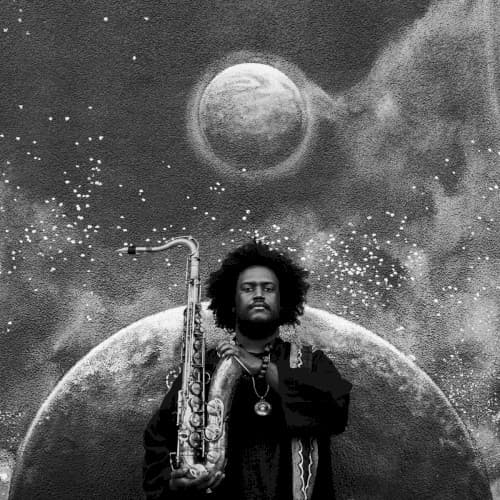
Kamasi Washington The Epic—When Maximal Ambition Met a Label Budget
The Epic announces its thesis in the first three minutes of "Change of the Guard": a two-chord modal vamp, a horn section punching ensemble lines, and Washington's tenor saxophone climbing over the top with long, searching phrases that refuse to resolve quickly. The thesis is scale. Three discs, nearly three hours, 32-piece orchestra, 20-person choir, compositions that stretch past ten minutes as a baseline. Washington frames spiritual jazz as a sound that earns its length through repetition and collective momentum, not editing. The stakes are whether the runtime delivers on the ambition or dilutes it.
The album arrived in 2015 on Flying Lotus's Brainfeeder label after a month-long December 2011 session at Kingsize Soundlabs in Los Angeles, where Washington and his West Coast Get Down collective—two drummers, two bassists, two keyboardists, a horn section, and vocalist Patrice Quinn—recorded 190 songs across eight projects. The Epic pulled 17 tracks from that material and added orchestral and choral arrangements Washington wrote later. The format is a statement of intent: this is capital-J Jazz that demands the space and ceremony of a triple album, released on a label known for electronic boundary-pushing. The risk is that the vision outruns the editing. The payoff, when it lands, is music that sounds like a working band playing large-scale compositions with the energy of a single take, even when the architecture required overdubs and augmentation. The question is whether three hours of that energy holds together or becomes exhausting.
Stacked Rhythm Sections and Written-Out Crescendos
The core strength of The Epic is the rhythm section—literally two of everything. Ronald Bruner Jr. and Tony Austin on drums, Miles Mosley and Thundercat on bass, Cameron Graves and Brandon Coleman on keyboards. The doubling creates density without clutter: on "The Rhythm Changes", both drummers lock into the same swing pocket and the two bassists move between unison lines and harmonized counterpoint, thickening the groove without stepping on each other. The band recorded live in cramped rooms at Kingsize, and the tightness comes through. They sound like a collective that has played together for years, which they had. The interplay is confident and the solos feel conversational, built on shared vocabulary.
Washington's tenor is the anchor. His tone is full and warm, closer to Pharoah Sanders than to the brittle edge of free jazz or the cool restraint of the West Coast tradition. He phrases in long, lyrical arcs that build intensity through repetition and slight variation rather than harmonic complexity. On "Askim" and "Isabelle", he rides modal vamps for minutes at a time, circling the same shapes until the repetition generates its own momentum.
The approach works because the band stays engaged underneath him, shifting dynamics and density to keep the foundation moving. When it stalls, as it does on stretches of "Final Thought" and "Miss Understanding", the lack of harmonic development becomes noticeable. The compositions are built for endurance, not surprise.
The orchestration is ambitious but safe. Washington wrote all the string and choir arrangements, and they frame the core band in wide, consonant harmonies that swell and recede on cue. The 32-piece orchestra enters on "Change of the Guard" with a fanfare that announces scale, then settles into sustained chords that support rather than challenge the soloists. The 20-person choir, featuring Patrice Quinn as a lead voice, adds texture on tracks like "The Message" and "Henrietta Our Hero", but the voicings are lush and pretty, more widescreen than dissonant.
The production, handled across the sessions, keeps every element audible but leaves little room for roughness. The orchestra sits politely in the mix, never colliding with the rhythm section or creating tension. The result is clarity at the cost of grit. Everything is present, nothing is messy, and the long takes feel more controlled than spontaneous.
The weaknesses show up in the runtime. At three hours, the album demands pacing and contrast it does not always deliver. Several tracks occupy the same mid-tempo modal space with similar intensity, and the sequencing does not build or release tension across volumes. "Re Run" and "Re Run Home" are separated by seven tracks with no clear narrative or musical reason for the gap. The concept Washington described—a recurring dream that inspired the structure—does not translate into an audible arc for the listener. Individual pieces work, but the album as a whole feels more like a reveal of material from the sessions than a deliberately shaped statement.
Three Volumes Without a Clear Journey
The Epic is divided into three volumes: The Plan, The Glorious Tale, and The Historic Repetition. The titles suggest a narrative progression, but the music does not follow one. The opening stretch announces the sound with authority and the compositions sustain their length. The momentum sags by a six-and-a-half-minute interlude that feels like a palate cleanser arriving too early.
The middle section is uneven: some tracks deliver the blend of funk groove and spiritual jazz orchestration the album promises, but others extend similar ideas without adding much. The back half front-loads its strongest piece, a fourteen-minute track that earns its length with patient development and a satisfying build, then coasts through the next two before closing with solid but not climactic material.
The pacing problem is that the album never pulls back. Most tracks hover between eight and fourteen minutes, and the intensity stays high throughout. There are no quiet moments, no solo interludes, no space to reset. By the time the final volume arrives, the sound—no matter how well executed—starts to feel like more of the same.
The decision to include two versions of the same piece separated by seven tracks hints at a conceptual link the music does not make explicit. The length feels more like the product of the sessions' abundance than a deliberate artistic choice. A double album would have been tighter and more urgent.
A Statement of Arrival That Could Have Been Half as Long
The Epic ranks as a clear statement of ambition and a strong debut on a label, but it is not the unimpeachable masterwork some early reviews suggested. The best material—"Change of the Guard", "The Next Step", "Re Run Home", "Cherokee"—demonstrates that Washington can write long-form compositions that give his band room to stretch and that his tenor playing is confident and compelling. The rhythm section is deep and responsive, and the orchestration adds genuine scale. The problem is that three hours of that scale, with little dynamic variation and no clear arc, dilutes the impact. The album feels more like a document of a prolific session than a curated artistic statement.
This is for listeners who want spiritual jazz presented with maximum ceremony and who do not mind repetition as a compositional strategy. If you prefer concise statements or albums that reward front-to-back listening, The Epic will test your patience. If you are new to Washington, start with "Change of the Guard" to hear the thesis, then "The Next Step" and "Re Run Home" to hear it sustained. If those tracks work, the rest of the album offers more of the same. If they feel too long or too familiar, the triple-album format will confirm it.
The Epic has aged as a landmark of 2010s jazz, not because it reinvented the genre but because it demonstrated that a young artist on an electronic label could command this much space and sell it to an audience beyond the traditional jazz market. That matters. But within Washington's catalog, if stronger, more focused albums follow, this will be remembered as the ambitious introduction that announced his arrival rather than the peak. For now, it holds up as a strong debut with at least an album's worth of essential music spread across three discs. Listen to the highlights first, and approach the full runtime only if you are committed to the journey.
Track by track
Track Listing
Change of the Guard
StandoutThe opening track sets the template: a two-chord modal vamp, orchestral fanfare, and Washington's tenor building long phrases over a locked-in rhythm section. The composition is patient, letting the groove establish itself before the solos enter, and the horn section punches ensemble lines that frame the improvisations. Washington's playing is confident and lyrical, circling the same melodic shapes with slight variations until the repetition generates momentum. The orchestration adds weight without overwhelming the core band. At over twelve minutes, the track earns its length by maintaining tension and collective energy. This is the thesis statement for the album, and it delivers.
Askim
SolidAnother twelve-minute modal workout, built on a similar harmonic framework to the opener but with a different melodic theme. Washington's tenor explores the same territory—long, searching phrases over a two-chord vamp—and the rhythm section stays engaged underneath. The doubled drummers and bassists create a dense pocket that shifts dynamics without losing the groove. The orchestration swells at predictable moments, adding drama but not surprise. The track works on its own terms but does not add much to what "Change of the Guard" already established. By the end, the approach starts to feel familiar.
Isabelle
SolidThe third long track in a row, and the diminishing returns are audible. The composition is well-structured and the band plays with authority, but the harmonic language and pacing are nearly identical to the previous two pieces. Washington's tenor remains compelling in isolated moments, but the lack of contrast across the opening stretch makes this feel like a variation on a theme rather than a new idea. The orchestration is lush and the rhythm section is tight, but the album has not yet offered a reason for the extended runtime. Solid playing in service of repetition.
Final Thought
WeakA six-and-a-half-minute interlude that arrives too early. The piece is quieter and more reflective than the opening three tracks, with Washington playing a lyrical melody over sustained chords from the orchestra and choir. It functions as a palate cleanser, but the album has not yet built enough intensity to need one. The track is pleasant but inessential, and its placement disrupts the momentum rather than providing necessary space. It feels like a leftover from the sessions, included to pad out Volume 1.
The Next Step
StandoutThe longest track on the album at nearly fifteen minutes, and one of the strongest. The composition is multi-part, moving through distinct sections that build and release tension, and the rhythm section responds with shifts in density and feel. Washington's tenor playing is muscular and sustained, and the orchestration is used more actively here, entering and exiting to shape the dynamics rather than simply swelling in the background. The doubled rhythm section locks into a groove that feels alive, with both drummers and both bassists contributing to a thick, propulsive foundation. The length is earned through genuine development, not just extended soloing. This is the album at its best: ambitious, focused, and executed with collective energy.
The Rhythm Changes
StandoutThe title references the chord changes to "I Got Rhythm", and the track delivers a straightforward, swinging take on the standard progression. At under eight minutes, it is one of the shorter pieces on the album, and the brevity helps. Washington and the band play with authority, the doubled rhythm section locks into a hard-swinging pocket, and the orchestration stays out of the way. The track is a showcase for the core band's interplay and serves as a palate cleanser after the extended modal pieces that dominate Volume 1. It is not groundbreaking, but it is executed well and provides necessary contrast.
Miss Understanding
WeakThe opening of Volume 2 returns to the modal vamp approach of the first disc, and the formula is wearing thin. The composition is competent and the rhythm section plays with energy, but the harmonic stasis and predictable orchestral swells feel like retreads. Washington's tenor is still compelling in moments, but the lack of development over the track's nearly nine minutes makes it feel longer than it is. The piece does not add new ideas or contrast to what the album has already delivered. Filler disguised as ambition.
Leroy and Lanisha
StandoutA stronger track that blends the spiritual jazz orchestration with a funkier, more grounded groove. The rhythm section—particularly the doubled bassists—drives a syncopated line that gives the composition more rhythmic interest than the modal pieces that surround it. Washington's tenor responds to the groove with shorter, more rhythmic phrases, and the interplay between the horns and the rhythm section feels more conversational. The orchestration is restrained, entering only to punctuate rather than to dominate. The track earns its nine minutes by maintaining rhythmic momentum and offering contrast to the extended modal workouts that dominate the album.
Re Run
SolidAn eight-minute piece that hints at a conceptual link to "Re Run Home", which appears seven tracks later, but the connection is not clear in the listening experience. The composition is built on a mid-tempo groove and a melodic theme that Washington and the horns state in unison before moving into solos. The rhythm section is locked in, but the harmonic framework is static and the track does not develop much over its runtime. It is competent but unremarkable, and its placement in the sequence does not build toward anything. The piece feels like material from the sessions that was included to fill out Volume 2.
Seven Prayers
SolidA mid-tempo piece with choir vocals and orchestral arrangement that emphasizes the spiritual jazz side of the album's sound. Patrice Quinn's voice is prominent, singing wordless melodies over sustained chords, and Washington's tenor weaves around her lines. The composition is reverent and pretty, but it lacks the rhythmic drive or harmonic interest to sustain its seven-and-a-half minutes. The track is pleasant but forgettable, and it occupies the same tonal space as several other pieces on the album without adding much. It is more atmosphere than argument.
Henrietta Our Hero
SolidAnother choir-heavy piece that leans into the orchestral side of the album's sound. The composition is structured around a melodic theme that the choir and horns state together, and Washington solos over the top. The rhythm section provides a steady foundation, but the track does not take risks or develop much tension. It is well-executed and the orchestration is lush, but it feels like a showcase for the arrangements rather than a fully realized composition. At just over seven minutes, it is mercifully shorter than some of the other pieces, but it still feels like it could have been trimmed.
The Magnificent 7
StandoutThe closing track of Volume 2 returns to the extended format, stretching nearly thirteen minutes, and delivers one of the album's stronger moments. The composition is multi-part, with distinct sections that shift in tempo and feel, and the rhythm section responds with dynamic variation. Washington's tenor is assertive and the orchestration is used to shape the structure rather than simply to add weight. The track builds to a satisfying climax and the collective energy is palpable. It is one of the few pieces on the album that justifies its length through genuine development and contrast. A strong finish to an uneven volume.
Re Run Home
StandoutThe longest track on Volume 3 and one of the best on the entire album. The composition is patient and deliberate, starting with a quiet theme statement and building gradually over fourteen minutes through shifts in dynamics, density, and orchestration. The rhythm section is responsive, moving from sparse accompaniment to a full groove as the piece develops, and Washington's tenor solo is one of his most sustained and compelling on the record. The orchestration enters and exits strategically, shaping the arc rather than simply swelling in the background. The track earns its length through genuine compositional development and collective interplay. This is the album's ambition realized: a long-form piece that rewards the runtime with a clear journey from start to finish.
Cherokee
StandoutA straightforward reading of the Ray Noble standard, played at a brisk tempo with Washington and the horns navigating the chord changes with authority. The core band is featured prominently, with the orchestration staying minimal, and the doubled rhythm section locks into a hard-swinging pocket. Washington's tenor solo is confident and the interplay between the horns and rhythm section is tight. At just over eight minutes, the track provides a welcome contrast to the extended modal pieces that dominate the album. It is not a revelatory interpretation of the standard, but it is executed well and serves as a palate cleanser. Solid, professional, and shorter than most of what surrounds it.
Clair de Lune
SolidAn eleven-minute arrangement of the Debussy piano piece, orchestrated for the full ensemble with choir, strings, and Washington's tenor stating the melody. The arrangement is reverent and lush, with the orchestration emphasizing the piece's impressionistic harmonies. Washington's playing is restrained, allowing the melody to breathe, and the rhythm section provides minimal accompaniment. The track is pretty and well-executed, but it feels more like a demonstration of arranging skill than a necessary inclusion on the album. At eleven minutes, it stretches a delicate theme past its natural length. It is pleasant, but it does not add much to the album's argument.
Malcolm’s Theme
SolidA mid-tempo piece with orchestration and choir, built around a somber melodic theme. The composition is reverent and the playing is restrained, with Washington's tenor stating the melody over sustained chords from the strings and choir. The rhythm section is minimal, providing a steady foundation without driving the piece forward. The track is atmospheric and well-executed, but it lacks the rhythmic energy or harmonic development to sustain its nearly nine minutes. It feels like an interlude that was extended to fit the album's format. Competent but not essential.
The Message
SolidThe closing track of the album, over eleven minutes long, with full orchestration, choir, and Washington's tenor delivering a lyrical, searching solo. The composition is structured as a culmination of the album's themes, with the orchestration swelling to a climax in the final minutes. The rhythm section provides a steady foundation and the choir adds weight to the arrangement. The track is well-executed and the playing is confident, but it does not deliver the cathartic release or thematic resolution that a closing statement of this length demands. It is a competent finish, but not a climactic one. The album simply ends rather than concluding with a clear statement.