The Electric Bass Virtuoso Who Redefined Jazz Possibility
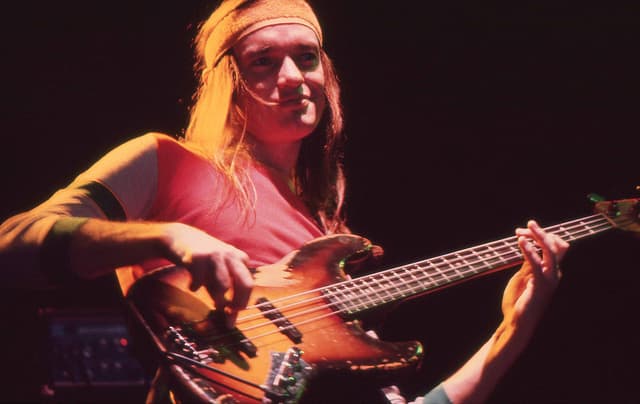
When Jaco Pastorius declared himself "the greatest bass player in the world" during his audition for Weather Report in 1976, it wasn't arrogance—it was prophecy. Within months, he proved it. The Pennsylvania-born musician didn't just play electric bass in jazz; he reconceived what the instrument could express, obliterating the boundary between rhythm section anchor and melodic frontline voice. His fretless Fender Jazz Bass became an extension of pure musical thought, capable of singing horn-like melodies, generating percussive textures, and anchoring complex harmonic movement simultaneously.
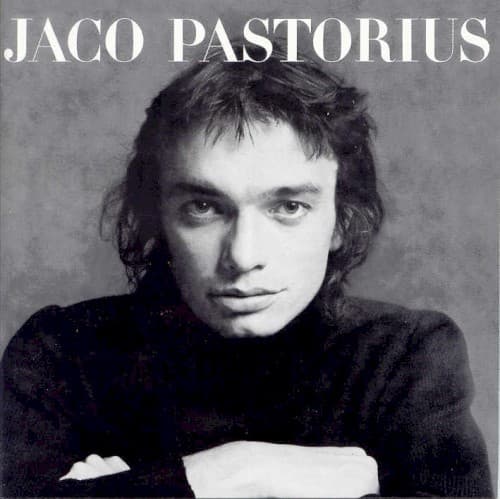
Pastorius arrived at a moment when jazz fusion desperately needed fresh blood. While many fusion bassists hammered out syncopated grooves or mimicked rock power, he brought a different sensibility—part bebop fluency, part orchestral thinking, part street-level funk intelligence. His 1976 self-titled debut announced a fully formed artistic vision that seemed to come from nowhere yet felt inevitable once heard. The album rewrote bass vocabulary overnight.
Yet his story extends beyond technical mastery. Pastorius embodied fusion's utopian promise: that electric instruments could carry jazz's improvisational depth while connecting with larger audiences. His tragically short career—cut down at age 35 in 1987—left an artistic legacy disproportionate to its duration. Every electric bassist since has navigated the landscape he created.
Harmonic Singing and Percussive Architecture on Fretless Bass
Pastorius treated the fretless electric bass as a complete musical universe. By removing the frets from his Fender Jazz Bass and coating the fingerboard with marine epoxy, he achieved a singing, vocal quality that allowed seamless glissandos and microtonal inflections impossible on fretted instruments. His harmonic technique—lightly touching strings at specific nodes to produce bell-like overtones—became a signature textural device, adding shimmer and otherworldly color to compositions. Listen to "Portrait of Tracy" and you hear the bass transformed into a harp, a celeste, a thumb piano.
But he never abandoned the instrument's rhythmic function. His right-hand attack combined fingerstyle fluidity with thumb-popping funk aggression, generating percussive drive that propelled ensembles without bass drum reinforcement. He could lock into a groove with drummer precision while simultaneously outlining chord changes and interpolating melodic counterpoint. This three-dimensional approach—rhythm, harmony, melody occurring simultaneously—made him sound like multiple musicians occupying one instrument.
His improvisational language drew from bebop but expanded its harmonic palette. He absorbed Charlie Parker's rhythmic logic and John Coltrane's sheets-of-sound intensity, then filtered them through electric timbral possibilities. On Weather Report's "Teen Town," he constructs a bass solo that functions as complete composition: thematic development, rhythmic variation, harmonic movement, and textural evolution unfolding across two minutes. The virtuosity never felt gratuitous because it served musical architecture. He understood when to lay back, when to punctuate, when to explode—a rare balance between technical command and compositional intelligence.
From Florida Sideman to Fusion Icon: Jaco's Meteoric Rise
Pastorius emerged from Florida's diverse musical ecosystem, where R&B gigs, Latin sessions, and jazz clubs all demanded versatility. He played drums before switching to bass as a teenager, a background that informed his rhythmic sophistication. By his early twenties, he was South Florida's first-call bassist, absorbing everything from soul to Brazilian music to avant-garde jazz. This eclecticism shaped his refusal to accept genre boundaries.
His 1976 debut album for Epic Records arrived as a complete artistic statement. Produced with minimal outside interference, it featured contributions from Herbie Hancock, Wayne Shorter, and others who recognized they were witnessing something unprecedented. "Donna Lee"—Charlie Parker's bebop anthem played on solo bass—demonstrated that electric bass could execute complex jazz lines with clarity and swing. "Come On, Come Over" showcased his compositional voice: rhythmically intricate, harmonically sophisticated, deeply grooving. The album established him as not just a player but a complete musical mind.
Joining Weather Report that same year placed him in fusion's most progressive ensemble. Alongside keyboardist Joe Zawinul and saxophonist Wayne Shorter, Pastorius helped create the band's most commercially successful and artistically ambitious period. Albums like "Heavy Weather" balanced accessibility with complexity, and his presence transformed the group's rhythmic foundation. "Birdland" became a fusion anthem partly because his bass line provided both melodic hook and propulsive engine. He wasn't merely supporting the music—he was co-authoring it in real time.
His 1981 double album "Word of Mouth" expanded his compositional ambitions into big band territory. Featuring a large ensemble performing his intricate arrangements, it revealed his gifts as orchestrator and bandleader. The title track combined Brazilian rhythms, jazz harmonies, and through-composed structures into something that felt both precisely notated and spontaneously alive. But by the early 1980s, personal struggles intensified. Bipolar disorder, exacerbated by substance abuse and the pressures of fame, began destabilizing his life and career.
His final years saw brilliant but erratic performances alongside increasingly public struggles. The discipline that once channeled his immense talent frayed. By 1986, he was essentially homeless, his genius overshadowed by mental health crises. His death in 1987—from injuries sustained in a violent altercation at a Florida nightclub—shocked the jazz world. He was 35. The tragedy underscored how the music industry failed to support artists battling mental illness, a conversation that continues today.
How Jaco Pastorius Permanently Expanded Electric Bass Language
Pastorius changed what bassists believed possible. Before him, electric bass in jazz primarily functioned as amplified upright bass—keeping time, outlining changes, occasionally soloing. After him, it became a frontline voice with orchestral range and expressive depth. His approach influenced not just jazz but funk, rock, and fusion across genres. Players like Marcus Miller, Victor Wooten, and Esperanza Spalding all navigate terrain he mapped.
His impact extended beyond technique into attitude. He demonstrated that virtuosity could coexist with groove, that complexity didn't require sacrificing feel. His music grooved hard while operating at the highest level of harmonic and rhythmic sophistication. This balance—head music that moved your body—became fusion's ideal, rarely achieved before or since with such naturalness.
The documentary "Jaco" and numerous tribute concerts keep his legacy visible, but his real monument lives in recordings. "Jaco Pastorius" remains essential listening, a 42-minute masterclass in reimagining an instrument's potential. His work with Weather Report defined fusion's peak creative period. These recordings don't sound dated—they sound like transmissions from a musical future we still haven't fully reached. He compressed decades of potential evolution into one blazing decade, then vanished, leaving questions about what might have been alongside certainty about what was: revolutionary, irreplaceable, complete.