The scorecard
8.3/10 · Great
- Composition20%
- 9.0
- Recording15%
- 7.5
- Performance30%
- 8.5
- Cohesion15%
- 7.0
- Originality10%
- 9.5
- Replay value10%
- 8.5
Blue Rondo à la Turk's 9/8 Turkish framework and Take Five's 5/4 vamp are composition as architecture, giving improvisers structures that generate rather than constrain ideas
Columbia's 30th Street Studio yields clean separation and presence, though the room sound is dry and the balance slightly favors the piano over Desmond's alto
Desmond's liquid phrasing in Take Five and Morello's drum work throughout show a quartet that had internalized these meters enough to swing inside them
The time signature theme unifies the concept but the album sags slightly in the middle stretch from Kathy's Waltz through Pick Up Sticks
No jazz album before 1959 had centered odd meters this deliberately or made them this accessible, opening a path West Coast cool had not considered
Take Five and Blue Rondo reward dozens of listens; the deeper cuts hold up less consistently but the album never grows tiresome
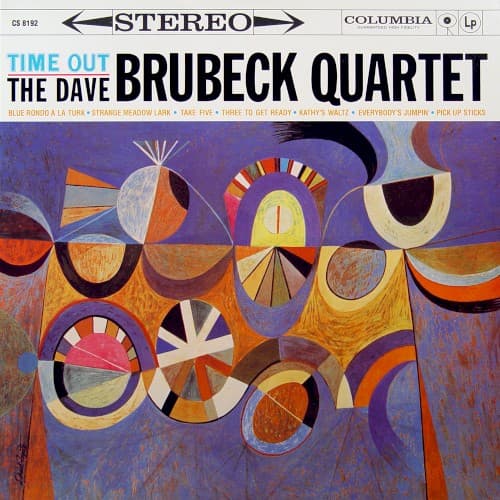
The Dave Brubeck Quartet Time Out — The Meter That Sold a Million
Time Out answered a question nobody in jazz was asking in 1959: could odd meters swing? The Dave Brubeck Quartet returned from a State Department tour of Turkey with 9/8 and 5/4 frameworks lifted from folk music, workshopped them until the band could phrase naturally inside them, and recorded an album that made the experiment sound inevitable. The thesis was compositional—Brubeck built seven pieces around meters Western jazz had mostly ignored—but the proof was in the playing. Paul Desmond's alto floats over the 5/4 vamp of Take Five as if he had been counting in fives his entire career, and Joe Morello's drums move through the 2+2+2+3 subdivisions of Blue Rondo à la Turk with enough ease that the rhythm feels like a groove rather than a math problem. The album reached number two on the Billboard chart and became the first jazz record to sell a million copies, which means the concept worked not just as an intellectual exercise but as music that connected.
The stakes were higher than the commercial result suggests. Cool jazz by 1959 had refined itself into a corner: the tempos were moderate, the tones were controlled, and the West Coast scene that Brubeck had come up through was producing records that prioritized taste over risk. Time Out proved that cerebral music could still surprise, that composition could open doors rather than close them, and that accessibility and experimentation were not opposing values. Columbia president Goddard Lieberson gambled on the album only after Brubeck agreed to record a traditional standards record first, which suggests the label understood the risk. What no one predicted was that a piano-led cool jazz quartet playing in 5/4 would produce a Top 40 single and redefine what a jazz album could sell.
Frameworks That Breathe
The album works because Brubeck's compositions are structures, not puzzles. Blue Rondo à la Turk opens with the 9/8 Turkish folk rhythm the band heard on tour—2+2+2+3 beats that create a lopsided but danceable pulse—then shifts to 4/4 for the solos before returning to the head. The move is pedagogical in the best sense: the listener hears the meter as a riff, not as a counting exercise, and the 4/4 section provides enough familiarity that the return to 9/8 feels like a payoff rather than a stunt. Brubeck's piano solo in the middle section is fluid and economical, staying close to the melody while Morello's drums maintain the underlying pattern. The piece is seven minutes of composition doing what composition should do—giving the players a reason to play and the listener a reason to keep listening.
Take Five, the only track not written by Brubeck, is Paul Desmond's piece, and it became the album's defining moment for good reason. The 5/4 vamp is simple—a bass line, a piano chord pattern, a drum pulse—but the space it creates is enormous. Desmond's alto melody is so lyrical that the meter becomes almost invisible; he phrases across the barlines in long arcs that make the five beats feel like a natural breath rather than an odd count. Morello's drum solo, which Desmond later said was the original purpose of the piece, is a clinic in polyrhythmic phrasing, layering subdivisions over the 5/4 without ever losing the groove. Teo Macero's production, recorded at Columbia's 30th Street Studio with engineers Fred Plaut and Pat Maher, captures the quartet with clarity and separation, though the sound is drier than the Blue Note or Riverside sessions of the same period. The piano sits slightly forward in the mix, and Desmond's alto occasionally recedes when the ensemble is full, but the balance serves the music's clarity over its warmth.
Three to Get Ready alternates two bars of 3/4 with two bars of 4/4, a rhythmic trick that feels playful rather than forced, and Kathy's Waltz starts in 4/4 before shifting to a double waltz that merges the two meters. Both pieces are clever without being precious, though neither reaches the inevitability of the album's two strongest tracks. The weaknesses show up in the album's second half, where Everybody's Jumpin' and Pick Up Sticks explore 6/4 with less memorable melodic material. The former is described in the fact sheet as
The Album as a Seven-Part Argument
Time Out sequences its best arguments early and its lightest material late, which gives the album a frontloaded shape that works for casual listening but creates a slight sag across the full 38 minutes. The opening stretch establishes the thesis and delivers the peak before the halfway point, with the second track providing a breather—Brubeck's unmetered piano intro settles into a 4/4 swing that feels almost traditional by comparison, and Desmond's solo is one of his most relaxed on the record. The sequencing through the first half is airtight: the album announces its concept, demonstrates its range, and lands its hook without pause.
The second half shifts into consolidation rather than discovery. The middle section shows Brubeck working through the implications of his rhythmic ideas, and both pieces earn their place, but the energy drops noticeably as the album enters its back half. The 6/4 pieces that close the record feel like exercises completed rather than ideas pursued, and by the final track, the concept has been proven but not expanded. The album would have been stronger at five tracks, or with one of the later pieces replaced by material with more melodic weight, but the length is not fatal. The pacing rewards the listener who arrives for the hook and stays for the full argument, even if the conclusion is less forceful than the opening.
The Experiment That Became the Standard
Time Out ranks as Brubeck's most important album because it proved a concept and became a commercial standard in the same gesture, which almost never happens in jazz. It sits above the more conventional albums that preceded it in his catalog and likely above most of what followed, though without other Brubeck records rated on the site the judgment is provisional. The album is for listeners who want to hear composition and accessibility working together, and for anyone tracking the evolution of West Coast cool into something less predictable. It is not for purists who value harmonic adventure over rhythmic invention—the solos here are melodic and controlled, rarely venturing into the harmonic territory that John Coltrane or Ornette Coleman were exploring in the same year. The album has aged into a historical landmark that still plays as music rather than as a museum piece, which is rarer than it should be.
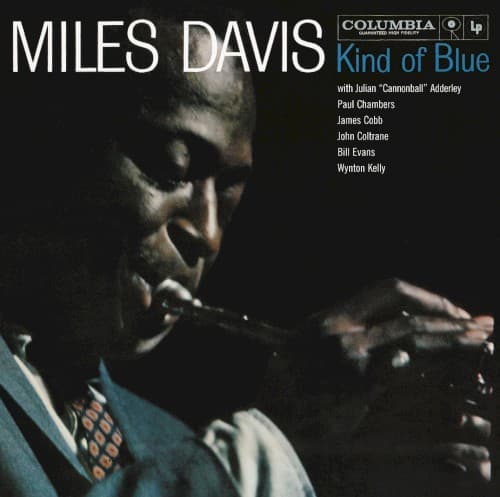
Start with Take Five and Blue Rondo à la Turk, the two tracks that define the record and justify its reputation. If those pieces work, move to Strange Meadow Lark and Three to Get Ready for the album's range, then decide whether the full sequence is worth the commitment. Skip it if you need heat or harmonic density; this is cool jazz solving a formal problem, and the temperature never rises. For next steps, try Brubeck's Time Further Out to hear the quartet push the concept further, or move to Miles Davis Kind of Blue from the same year to hear modal jazz solving a different set of questions with a different set of tools. Time Out matters because it made odd meters swin and because it sold a million copies doing it, proving that the audience for jazz experimentation was larger and more patient than the industry assumed.
Track by track
Track Listing
Blue Rondo A La Turk
StandoutThe album's opening argument and its most audacious piece of writing. Brubeck lifts the 9/8 Turkish folk rhythm he heard on tour—2+2+2+3 subdivisions that feel like a lopsided dance—and builds a composition that teaches the listener the meter in the first minute, then rewards that knowledge for the next six. The head is a unison saxophone and piano line that rides the rhythm without explaining it, and the shift to 4/4 for the solos is a pedagogical masterstroke: Desmond and Brubeck improvise in familiar territory while Morello keeps the underlying pulse alive in the drums. The return to 9/8 for the final head feels like a resolution rather than a return to strangeness, which is proof that the composition has done its work. Brubeck's piano solo in the middle section is economical and melodic, staying close enough to the theme that the structure remains audible. Morello's drumming throughout is the key to the piece—he makes the 2+2+2+3 pattern swing, which should not be possible but is. The piece runs nearly seven minutes and earns every one of them. It is the album's thesis statement and its highest proof.
Strange Meadow Lark
StandoutThe album's only breather, and a necessary one. Brubeck opens with an unmetered piano solo that wanders through impressionistic chords and melodic fragments for nearly two minutes, establishing a mood of space and reflection before the rest of the quartet enters. Once the group joins, the piece settles into a fairly conventional 4/4 swing, which by this point in the album feels almost traditional. Desmond's solo is lyrical and relaxed, one of his most effortless performances on the record, and the interplay between piano and alto in the final chorus shows the quartet's sensitivity to dynamics and phrasing. The piece does not advance the album's rhythmic thesis, but it provides contrast and demonstrates that the group can play inside the tradition as well as outside it. The title evokes pastoral calm, and the music delivers exactly that. At over seven minutes it is one of the album's longest tracks, and the length is justified by the mood it sustains rather than by the ideas it develops.
Take Five
StandoutThe piece that sold a million singles and defined the album for generations of listeners who never heard the rest of the record. Paul Desmond wrote it as a feature for Joe Morello's drums, but the alto melody became the hook, and the 5/4 vamp became one of the most recognizable rhythms in jazz. The framework is deceptively simple: a bass line, a piano chord pattern, a drum pulse, all in five beats that somehow feel more natural than four. Desmond's phrasing is the reason the piece works—he plays long, lyrical lines that arc across the barlines, making the odd meter sound like the only possible meter for this melody. His tone is cool and weightless, the sound of West Coast restraint at its most elegant. Morello's drum solo in the middle section is a polyrhythmic masterclass, layering subdivisions and accents over the 5/4 without ever losing the groove. The vamp returns, Desmond restates the melody, and the piece ends at five and a half minutes, which is exactly the right length. It is the album's commercial peak and its most complete piece of writing and playing, the track where composition and improvisation meet as equals.
Three To Get Ready
SolidA rhythmic sleight of hand that alternates two measures of 3/4 waltz time with two measures of 4/4 swing, creating a polymetric pattern that sounds more complex on paper than it does in practice. The piece is playful and light, built around a melody that skips between the two meters with enough ease that the listener stops counting and starts swinging. Brubeck's piano comping is crisp and clear, and Desmond's solo navigates the meter changes without showboating, treating the structure as a given rather than a challenge. Morello's drums anchor the piece, making the transitions between 3/4 and 4/4 feel seamless rather than abrupt. The composition is clever but never precious, and at just over five minutes it does not overstay its welcome. It sits comfortably in the album's middle stretch, a solid demonstration of the quartet's ability to make odd meters feel natural without reaching the heights of the opening tracks.
Kathy's Waltz
SolidNamed after Brubeck's daughter Cathy but misspelled on the original release, this piece starts in 4/4 before shifting into a double waltz that merges the two meters. The melodic material is warm and approachable, one of the album's more immediately tuneful compositions, and the meter shift in the middle section adds complexity without sacrificing clarity. Desmond's alto solo is graceful and unhurried, and Brubeck's piano comping shows his ability to outline harmony without cluttering the space. The piece works as both a compositional exercise and a listenable jazz performance, though it does not have the memorability of Take Five or the structural boldness of Blue Rondo à la Turk. At under five minutes it is one of the album's shorter tracks, and the concision serves it well. A Spencer Leigh article in The Independent later speculated that the rhythmic phrasing may have influenced Paul McCartney's writing on All My Loving, which shares a similar rhythmic feel in its melodic endings.
Everybody's Jumpin'
WeakThe album's first real sag. The piece is built around a 6/4 meter that the fact sheet describes as very flexible, which in practice means the rhythm feels loose and under-defined compared to the precision of the earlier tracks. The melodic material is thinner than what precedes it, and neither Brubeck's nor Desmond's solos generate much momentum. Morello's drumming keeps the piece moving, but without a strong compositional hook the track feels like an exercise in meter rather than a fully realized idea. At just over four minutes it is mercifully brief, but it marks the point where the album's conceptual unity begins to feel like diminishing returns.
Pick Up Sticks
SolidThe album closer, another 6/4 piece that the fact sheet notes firms up the meter into a clear and steady pulse. The tightening helps—Pick Up Sticks has more rhythmic definition than Everybody's Jumpin'—but the melodic material remains workmanlike, and the piece feels like a conclusion by default rather than by design. Desmond's solo is competent but not inspired, and Brubeck's piano work stays within familiar patterns. The track does not embarrass the album, but it does not add much to it either. A stronger ending would have restated one of the earlier themes or closed with a piece that matched the ambition of the opening, but instead the album simply stops, the concept proven but not expanded.