The scorecard
8.2/10 · Great
- Composition20%
- 8.5
- Recording15%
- 7.0
- Performance30%
- 9.5
- Cohesion15%
- 6.5
- Originality10%
- 8.0
- Replay value10%
- 8.5
Standards like "Wild Is the Wind" and "Lilac Wine" provide harmonic depth; "Four Women" demonstrates narrative composition through character portraits.
Compiled from leftover 1964-1965 sessions; balance varies between stark piano-and-bass arrangements and fuller band settings, affecting album coherence.
Simone commands every register from whisper to controlled rage, particularly on "Four Women" and the title track; phrasing bends time without breaking it.
Assembled from session remnants across two years; emotional through-line holds despite production inconsistencies and uneven track sequencing.
Transforms standards into art songs while "Four Women" tackles race through individual portraits in ways contemporary jazz vocalists avoided.
The intensity rewards focus; tracks like "Black Is the Color" and "Wild Is the Wind" deepen with familiarity as subtleties in dynamics emerge.
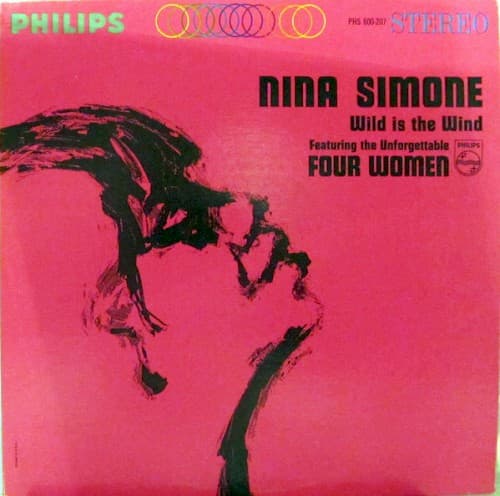
Nina Simone Wild Is the Wind — Standards as Weapons
The question is whether Nina Simone interprets a song or whether the song survives her. On Wild Is the Wind that question has only one answer: nothing leaves intact. This 1966 Philips release was assembled from leftover studio recordings made in 1964 and 1965, the kind of archival scraping that usually produces contractual obligation product. Instead it became one of her essential statements because the performances refuse to be background music. When she strips "Black Is the Color of My True Love's Hair" down to piano and Lisle Atkinson's bowed bass drone, the arrangement is minimal but the claim is absolute: this folk song now belongs to her and answers to her sense of time.
The thesis here is that Simone's interpretive method—extreme dynamic control, deliberate rubato that stretches phrases past comfort, total emotional commitment regardless of the material's origin—turns standards into new compositions while her original work documents what vocal jazz mostly avoided in 1966. "Four Women" was banned by WLIB for naming what the lyrics name: the specific damage done to Black women across generations, sung in character voices that shift from defiance to exhaustion. The album includes three of her own songs and eight standards, but the division is false. Everything on Wild Is the Wind gets the same treatment: voice as declaration, piano as punctuation, arrangements that clear space for the text. The album's reputation—number 212 on Rolling Stone's 500 Greatest Albums list, top ten all-time in Paste's estimation—rests on performances that make listening an active choice rather than a pleasure.
Voice Against Arrangement
Simone's method across these sessions was reduction. The instruction she gave Atkinson—roots and fifths, nothing slick, arco whenever possible—extended to the whole rhythm section. On "Black Is the Color" she wanted only piano and bowed bass, and the result is a performance where silence does as much work as sound. The melody is stated almost conversationally, then the phrases start to bend and hold and the silences between them lengthen.
The folk song becomes a meditation, then a lament, without adding a note. "Wild Is the Wind" uses the same principle over six minutes: she lets the title phrase hang unresolved while the band waits, then moves to the next line when she is ready and not before. The arrangement serves the voice, but the voice is not decorative. It is the engine.
The album was compiled by Philips from material recorded across two years, and the production inconsistency shows. Some tracks feature fuller band arrangements; others are stripped to piano-bass-drums or less. Two tracks have a warmer studio sound and more conventional jazz ballad settings. Two others sound like they were recorded in a smaller room with closer microphones.
The variance is noticeable and affects the album's flow, but it also separates the core performances from the competent ones. When the arrangement is spare, Simone's phrasing becomes the entire event. When the arrangement is fuller, she dominates it anyway but the songs feel more like repertoire than statements.
Her piano playing functions as commentary. On one track the introduction is almost impressionistic, soft chords that set the mood, then she comes in singing and the piano recedes. On another the piano is percussive, rhythmic stabs that mark each character's entrance. The shift from one persona to another—Aunt Sarah, Saffronia, Sweet Thing, Peaches—is signaled by changes in timbre and phrasing.
The song is composition as critique, four women defined by their skin tone and history, and Simone sings each one without softening the edges. The lyric caused enough discomfort that WLIB banned it, which means it did what it was supposed to do. As a piece of writing it is direct, almost journalistic. As a vocal performance it is four different people.
The standards she chose are all about loss and longing, which makes them useful for what Simone does with dynamics. She can take a phrase down to a near-whisper and then open up to full voice within the same line. The effect is not decorative vibrato or melodic embellishment but control used for emotional purpose. Jeff Buckley later covered one track and kept some of that dynamic range; David Bowie covered another and made it colder.
Both versions acknowledge that Simone's interpretation is the reference point. The weakness of the album is that not every track earns its place. Two songs are competent but feel like session remainder, which is what they are. They do not have the intensity of the core performances, and the sequencing does not help.
Assembled, Not Sequenced
Because the album was compiled from separate sessions rather than recorded as a planned effort, the flow is uneven. It opens with a warm but conventional ballad that sets a romantic tone immediately contradicted by what follows, which is confrontational. The shift is jarring, and the album never settles into a consistent emotional arc. The middle stretch groups three ballads together and the pacing sags.
The album peaks late. The longest track by a wide margin is sequenced eighth out of eleven, and placing it there makes structural sense—it gives the album a climax before the close. But it also means the listener has to wade through filler to reach it. What follows works as a counterpoint, minimal where the previous track was expansive.
Then a more conventional closer provides resolution, and the final song is tacked on as an afterthought. The closing stretch feels like separate session takes added to fill out the LP. The album's length—just under 38 minutes across eleven tracks—is right for the material. The problem is that four or five of those tracks are essential and the rest are solid but not necessary.
A tighter selection from the same sessions would have made a stronger statement, but that is not how labels compiled albums in 1966. The result is a record where the high points are among her best work and the low points are merely good. For a singer of Simone's intensity, merely good can feel like wasted time.
The Performances That Last
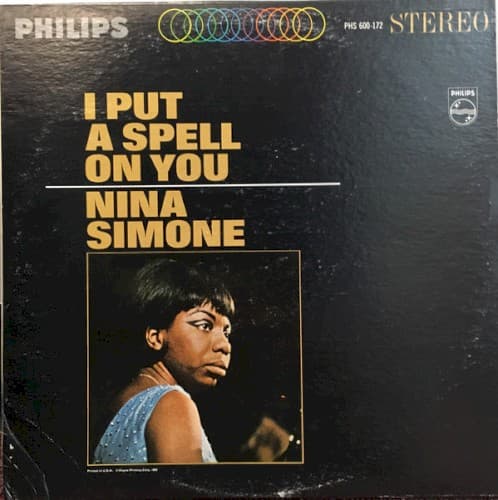
Wild Is the Wind ranks just below I Put a Spell on You in Nina Simone's catalog because it achieves similar intensity on fewer tracks. I Put a Spell on You is a more consistent album; this one is a compilation that happens to contain several career-defining performances. The gap matters for listeners deciding where to start. If you want the full range of what Simone could do with standards and a rhythm section, I Put a Spell on You is the better entry point.
If you want to hear interpretation as transformation—voice and piano as instruments of complete control—then several tracks here are required listening. The album is for listeners who want to hear a singer dismantle a song and rebuild it while they watch. It is not for anyone looking for background music or for a conventional jazz vocal album where the singer serves the song. Simone makes the songs serve her, and the results are either riveting or exhausting depending on your tolerance for intensity.
The album has aged well because the core performances remain singular. Covers by Buckley and Bowie acknowledge that Simone's versions are definitive, and one song in particular has not been improved upon because it cannot be: the song is autobiography as architecture.
Start with the title track to hear what she does with time and phrasing, then go to another to hear what she does with character and text, then a third to hear what she does with almost nothing. Those three tracks justify the album's reputation. After that, two more are strong examples of her approach to standards. The rest is variable.
If you want more Simone after this, I Put a Spell on You covers similar ground with greater consistency. If you want to hear where her interpretive method led, Nina Simone Sings the Blues and Silk & Soul show her pushing deeper into both jazz and soul repertoire. This album remains essential because the performances at its center demonstrate how completely a voice can possess a song.
Track by track
Track Listing
I Love Your Lovin’ Ways
SolidOpens the album with a conventional jazz ballad setting, full arrangement and warm production. Simone sings it straight, with vibrato on the sustained notes and a comfortable mid-tempo swing feel. The song is well-performed but does not push against the material the way the album's best tracks do; it sets a romantic mood that the next track immediately contradicts.
Four Women
StandoutFour character portraits sung in four different voices: Aunt Sarah weathered and old, Saffronia with the wealthy father, Sweet Thing performing for men, Peaches angry and ready. Simone shifts timbre and phrasing for each one, percussive piano chords marking the entrances, and the text is direct about colorism and exploitation. WLIB banned it for naming specifics, which means the song worked. As composition it is verse-based storytelling; as performance it is four people. The most important original on the album and one of the essential vocal performances of the decade.
What More Can I Say
SolidMid-tempo ballad, professionally sung but not particularly urgent. The lyric is a straightforward expression of devotion, and Simone delivers it warmly but without the intensity that marks her best work here. Sequencing it after "Four Women" emphasizes the contrast: this is a standard, that was a statement.
Lilac Wine
StandoutImpressionistic piano introduction, soft chords that dissolve into the vocal. Simone sings the lyric about intoxication and longing with careful dynamic shading, moving from near-whisper to open voice and back. The arrangement is minimal—piano, bass, light drums—which lets the phrasing control the song's time. Jeff Buckley's later cover on Grace kept the dynamic range and acknowledged this version as the template. Strong interpretation of a standard that rewards attention.
That’s All I Ask
StandoutShort, direct ballad about modest desires. Simone sings it gently, almost conversationally, and the song does its work in under two and a half minutes. The performance is understated and effective but does not stay with you the way the album's peaks do. Later appeared on Jeff Buckley's live albums, which suggests its appeal to other interpretive singers.
Break Down and Let It All Out
SolidFiller. The lyric encourages emotional release, the arrangement is fuller with horns, and the song moves at a mid-tempo that does not build or resolve. Simone sounds engaged but the material does not give her much to work with. Session remainder included to fill out the LP.
Why Keep on Breaking My Heart
SolidAnother session remainder, competently performed but not essential. The lyric is a conventional complaint, the arrangement is standard jazz ballad, and nothing in the performance distinguishes it from dozens of similar tracks by other singers. Simone's phrasing is controlled but the song itself does not matter.
Wild Is the Wind
StandoutThe album's longest track and its centerpiece. Simone stretches the phrasing past any conventional sense of time, holding the title phrase unresolved while the band waits, then moving to the next line when she decides to and not before. The arrangement builds slowly, piano and rhythm section providing a foundation that never rushes her. The dynamic range is extreme—whisper to full voice within single phrases—and the effect is total control in service of total vulnerability. David Bowie covered it on Station to Station and made it colder and more detached; his version acknowledges this one as the reference. The performance justifies the album's reputation.
Black Is the Color of My True Love’s Hair
StandoutRecorded in April 1964 with only piano and Lisle Atkinson's bowed bass drone, per her instruction for minimal accompaniment. The folk song is stated almost conversationally, then the phrasing starts to bend and the silences between lines lengthen. Nothing is added, everything is revealed. The arrangement is so spare that the voice and the silence do equal work, and the result is a performance where interpretation becomes composition. One of the album's essential tracks.
If I Should Lose You
StandoutStandard ballad, fuller arrangement with the rhythm section, and a performance that shows Simone's approach to repertoire when the material is familiar. She sings it with control and warmth, using dynamics to shape the lyric, and the result is a strong example of interpretive singing that does not attempt to reinvent the song. Works as an album closer but feels like it was sequenced before "Either Way I Lose" was added.
Either Way I Lose
WeakTacked on as the final track, and it sounds like it. The lyric is about romantic futility, the arrangement is competent, and the song does not add anything to what came before. Session remainder that should have stayed in the vault.