Chick Corea's Electric Vision: The Formation of Return to Forever
Return to Forever emerged in 1971 as Chick Corea's answer to the electric revolution sweeping through jazz. While Miles Davis had opened the door with Bitches Brew and Weather Report was exploring atmospheric fusion, Corea assembled a rotating collective that prioritized compositional sophistication and Latin rhythmic foundations over extended improvisation. The original lineup featured vocalist Flora Purim, bassist Stanley Clarke, drummer Airto Moreira, and saxophonist Joe Farrell, creating a sound that blended Brazilian samba with modal jazz and electric textures.
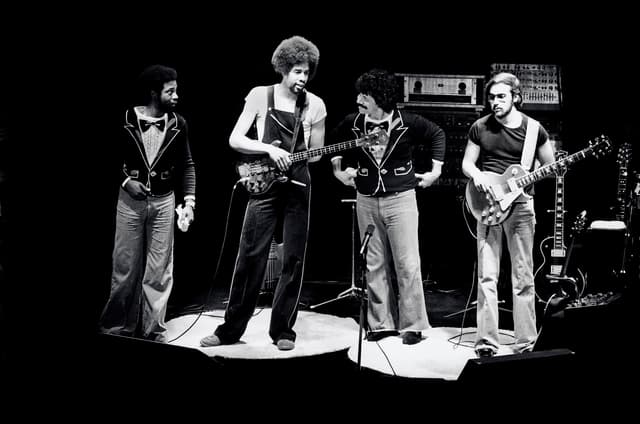
The group's significance lies not in stylistic consistency but in radical reinvention. Between 1972 and 1976, Return to Forever underwent complete personnel overhauls that transformed them from a Latin-inflected acoustic ensemble into one of jazz fusion's most aggressive electric units. By the mid-seventies lineup featuring Clarke, guitarist Al Di Meola, and drummer Lenny White, the band had abandoned subtlety for technical ferocity and symphonic ambition. This evolution mirrored the decade's progression from jazz-rock experimentation to full-blown fusion virtuosity, with Return to Forever serving as both pioneers and perfectionists of the electric idiom.
From Latin Intimacy to Electric Spectacle: Return to Forever's Sonic Range
The early Return to Forever recordings reveal Corea's fascination with space and color. His Fender Rhodes work on the self-titled debut layers chordal washes beneath Purim's wordless vocals, creating textures that feel more like Weather Report's atmospheric approach than the rhythmic density to come. The Latin percussion from Moreira drives these pieces, but gently—there's room for silence, for the bass to breathe, for individual voices to emerge without competing. This version of the group understood restraint.
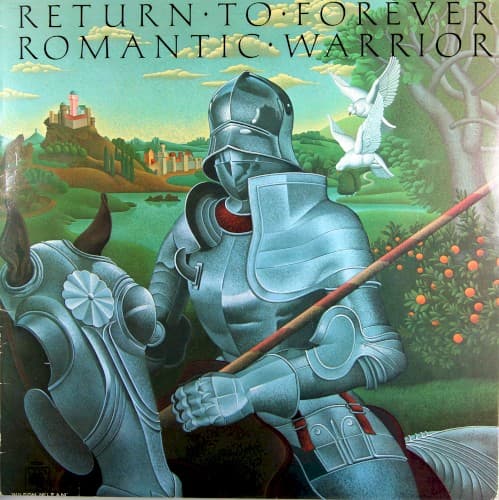
That restraint evaporated with the electric reformation. Romantic Warrior exemplifies the transformation: Corea's synthesizers now punch through dense arrangements with orchestral weight, Clarke's bass alternates between melodic lead lines and percussive slapping, and Di Meola's guitar phrases arrive at tempos that prioritize technical execution over swing feel. The compositions themselves grew more complex, incorporating odd meters, through-composed sections, and dynamic shifts that required telepathic ensemble precision. Where the first iteration allowed improvisation to unfold organically, the electric lineup treated solos as showcase vehicles—each musician pushing technical boundaries while the rhythm section maintained relentless momentum.
What remained constant across lineups was Corea's compositional architecture. Whether acoustic or electric, his writing favored clear melodic statements, harmonic sophistication derived from post-bop vocabulary, and rhythmic frameworks that acknowledged both Latin traditions and rock's driving pulse. The group never descended into pure jam-band looseness; even at their most aggressive, Return to Forever maintained compositional discipline that separated them from contemporaries prioritizing groove over form.
Personnel Shifts and Creative Peaks: Return to Forever's Evolutionary Arc
The 1972 debut Return to Forever established the template: Corea as conceptual leader, world-class rhythm section, and compositions that honored jazz tradition while incorporating electric elements and non-American influences. Light as a Feather followed the same year, refining the Latin fusion approach and producing "Spain," which became Corea's most enduring composition. These albums found critical respect and modest commercial attention, but Corea recognized the lineup's limitations for the larger vision forming in his creative mind.
The 1973 pivot brought seismic change. Hymn of the Seventh Galaxy introduced the electric quartet format with Clarke, White, and guitarist Bill Connors. The music turned harder, faster, more rock-adjacent without abandoning jazz's improvisational core. Connors' tenure proved brief—his replacement Al Di Meola arrived for 1974's Where Have I Known You Before, bringing pyrotechnic technique that matched Corea's escalating compositional ambitions. This lineup gelled into fusion's most formidable technical unit, capable of executing impossibly fast unison lines and navigating metric complexity that challenged even seasoned listeners.
No Mystery (1975) captured the electric quartet at peak confidence, balancing compositional intricacy with memorable themes. The album's commercial success validated Corea's electric direction, though some critics mourned the loss of the earlier group's spaciousness. Romantic Warrior (1976) pushed further into fantasy-themed prog territory, with medieval imagery and synthesizer orchestrations that appealed to rock audiences while alienating jazz purists. The album remains their commercial zenith and most divisive artistic statement—a virtuosic display that either represents fusion's creative apex or its descent into technical indulgence, depending on listener priorities.
The original run concluded in 1976 as members pursued solo ambitions. Clarke's school of melodic bass playing influenced a generation. Di Meola's fusion guitar vocabulary became standard curriculum. White's drumming set benchmarks for power and precision in electric contexts. Sporadic reunions occurred across subsequent decades—a 2008 tour brought back the Romantic Warrior lineup, and a 2011 reformation featured Corea, Clarke, White, violinist Jean-Luc Ponty, and guitarist Frank Gambale. These revivals served nostalgia while demonstrating the core compositions' durability. Corea's death in 2021 ended Return to Forever as a living entity, though the recorded legacy continues shaping how musicians approach electric jazz.
Technical Virtuosity as Compositional Language: Return to Forever's Enduring Influence
Return to Forever's impact splits along the fault line between their acoustic and electric periods. The early recordings influenced how Latin rhythms could integrate into jazz without exoticization—Corea's respect for Brazilian traditions established a model for cultural synthesis that prioritized musicality over appropriation. Pianists and keyboard players still study those Fender Rhodes voicings, the way harmonic color could replace harmonic density.
The electric period's legacy proves more complex. For instrumental virtuosos, Return to Forever set the technical standard. Bass students learn Clarke's thumb techniques. Guitarists dissect Di Meola's alternate picking patterns. Drummers analyze White's coordination across polyrhythmic figures. The group demonstrated that fusion could demand the same technical mastery as classical performance, elevating the idiom's respectability while potentially narrowing its emotional range. Critics who dismiss fusion as soulless often point to Romantic Warrior-era Return to Forever as evidence—the dazzling technique overshadowing human connection.
Yet the compositions endure beyond their original performances. "Spain" appears in countless interpretations, proving its melodic strength transcends any single arrangement. The group's synthesis of progressive rock ambition with jazz harmonic language opened pathways for later artists seeking to blend genres without diluting either. Contemporary fusion players still reference Return to Forever when justifying technical complexity as expressive choice rather than mere display. The debate they sparked—whether virtuosity serves music or distracts from it—remains unresolved, which itself confirms the group's lasting significance. They didn't just play fusion; they defined what fusion could attempt.