The scorecard
8.0/10 · Great
- Composition20%
- 7.5
- Recording15%
- 9.0
- Performance30%
- 8.5
- Cohesion15%
- 6.5
- Originality10%
- 9.5
- Replay value10%
- 7.0
The sketches Davis brought provide enough structure for ensemble tension without predetermining outcomes, though the chord frameworks themselves are basic.
Macero's editing and studio effects on Pharaoh's Dance and the title track create new compositional forms from raw improvisations, with the layered rhythm section captured in precise spatial depth.
Davis's aggressive trumpet work and Shorter's soprano lines cut through the dense rhythm section interplay, though some passages lose focus in the collective embellishment.
The album sprawls across long-form suites with powerful individual moments but uneven pacing, and the four-LP-side format amplifies the lack of internal editing within tracks.
The massed rhythm section of multiple electric pianos, two bassists and three drummers playing simultaneously invents a new orchestral template for jazz improvisation that no prior record attempted.
The most constructed pieces like Pharaoh's Dance reveal new details on repeat listens, but the longer stretches of modal drift test patience once the initial shock wears off.
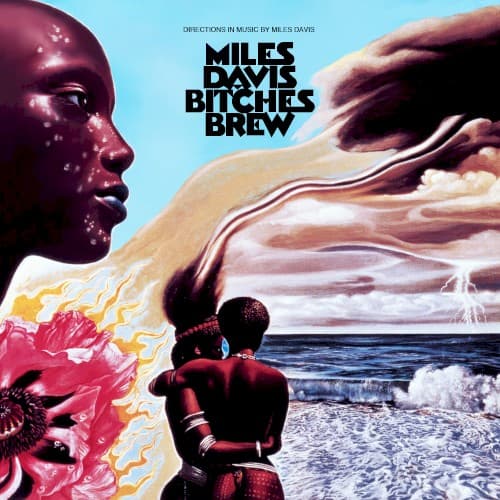
Miles Davis Bitches Brew — The Orchestra That Learned to Forget the Beat
The opening of Pharaoh's Dance is a studio trick: Teo Macero looping a few seconds of the ensemble in stop-start fragments until the full band finally tumbles in at nearly a minute. It announces the thesis plainly. This is not a document of a working band playing together in a room. It is an assembled thing, spliced and repeated and delayed in the edit, treating the August 1969 sessions as raw material for a larger construction. The wager is that a producer with tape and a composer with electric instruments can make jazz do something it has not done, which is occupy the same long-form, effects-laden space as rock without becoming rock. Bitches Brew wins that wager more often than it loses, but the cost is audible: whole sections where the music drifts without gathering the momentum it needs, and a length that no internal editor was permitted to challenge.
Davis had been moving toward electric instruments since In a Silent Way the previous year, but Bitches Brew explodes the rhythm section into an ensemble of its own: two bassists, two to three drummers, two to three electric pianos, and a percussionist, all playing at once. The resulting texture is less a rhythm section than a shifting orchestral floor, one that allows Davis and Wayne Shorter to improvise over slow-moving modal harmonies without the propulsion of a single steady pulse. It is a new format, and the album's influence on fusion, ambient music and even hip-hop production comes directly from that innovation. Whether it is Davis's best use of the format is another question. At 94 minutes, Bitches Brew contains some of the most radical music he ever recorded and some of the least necessary.
Massed Rhythm and Studio Assembly
The innovation is structural. Davis assembled a rhythm section larger than any jazz bandleader had used for improvised music: Harvey Brooks on electric bass, Dave Holland on upright bass, Jack DeJohnette and Lenny White on drums, Don Alias and Juma Santos on percussion, and Chick Corea, Joe Zawinul and Larry Young on electric pianos. The effect is not density but diffusion. The pianos layer block chords and sparse figures that shift against each other rather than locking into a single harmonic rhythm. The two bassists move in and out of unison, sometimes doubling, sometimes splitting into separate lines.
The drummers play polyrhythmic patterns that avoid a single backbeat, drawing on Latin and funk vocabularies without committing to either. The result is a modal wash that moves very slowly, harmonically speaking, giving the soloists an open field but little forward drive.
Macero's editing amplifies this. Pharaoh's Dance contains nineteen edits, including micro-loops of one-second fragments repeated five times in a row. The title track has fifteen edits and several five-second tape loops. These are not corrections or punch-ins; they are compositional decisions, building tension through repetition and manipulating the flow of time in ways the band could not have done live.
The effects—reverb chambers, tape delays, echo—turn the studio into an additional instrument. Miles Runs the Voodoo Down is the only track presented exactly as recorded, and it is also the most conventional: a funk vamp with a clear groove and a closing trumpet solo that ventures into the upper register with fast, aggressive runs. The rest of the album treats the session recordings as sketches to be arranged after the fact.
Davis himself plays with more aggression than his melodic reputation suggests. His tone is raw, his phrasing fragmented, and he frequently pushes into the trumpet's high range with lines that snarl rather than float. Shorter's soprano saxophone is the other primary solo voice, cutting through the dense rhythm section with a tone that is both lyrical and astringent. Bennie Maupin's bass clarinet appears on five tracks, adding a lower-register texture that broadens the tonal palette. Joe Zawinul, who contributed compositions and electric piano work here, would go on to co-found Weather Report and further explore the fusion territory opened by this album. The weakness is in the rhythm section's lack of focus: the collective embellishment that creates such an open arena for improvisation also means that long stretches coast on texture rather than building toward anything. The music is suggestive, but it does not always insist.
The Long Form and Its Costs
The album is structured as a set of long-form suites, most of them exceeding ten minutes, designed to allow for rubato sections, tempo changes and slow crescendos more common to orchestral or raga forms than to jazz. This works when the improvisations justify the length. The opening stretch earns its twenty minutes through the tension between Macero's constructed beginning and the band's eventual release into collective improvisation, and the title track sustains interest across twenty-seven minutes through the interplay of the three electric pianos and the gradual escalation of Davis's and Shorter's solos. The middle section, at seventeen and a half minutes, has a stronger groove than most of the album, anchored by a repeated bass figure that gives the rhythm section something to lock onto, and it is one of the few tracks where the massed drums and percussion feel like they are pushing the soloists rather than simply surrounding them.
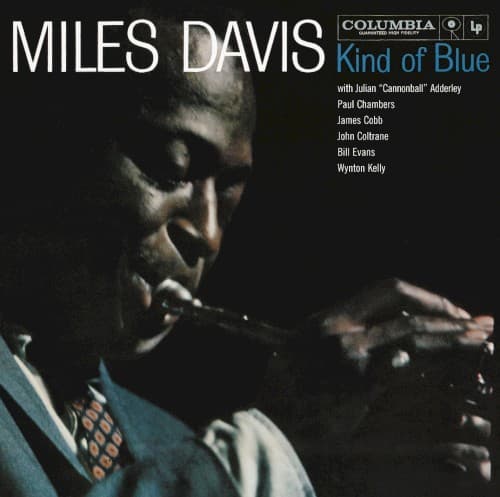
But the format also exposes the album's sags. The brief four-minute piece on which Davis does not play is a pleasant guitar-and-rhythm interlude that contributes nothing to the larger arc. The closer is a subdued modal meditation that might have worked as a breath after something more intense, but it follows a funk vamp that already serves that function. The sequencing does not build or resolve; it simply presents six pieces in an order that could plausibly have been rearranged. For an album this long, the lack of internal shape is a problem. The music rewards deep listening, but it does not demand it the way Kind of Blue or In a Silent Way did.
A Flawed Monument
Bitches Brew is not Miles Davis's best album—that remains Kind of Blue—but it is his most radical structural experiment, and the one that defined jazz fusion as a category whether he wanted it to or not. It sits in the catalog as the turning point where Davis committed fully to electric instruments and stopped treating the jazz quartet or quintet as the default format. Everything he recorded in the 1970s flows from the decisions made here: the massed rhythm sections, the studio editing, the slow harmonic movement, the long-form improvisations. For listeners arriving from In a Silent Way, this is where that album's restraint gives way to something more chaotic and harder to hold in your head. For listeners arriving from Kind of Blue, this will sound like a different musician working in a different idiom.
The album is for listeners willing to meet it on its own terms: as an ambient, effects-heavy, rhythmically diffuse set of improvisations that values texture and space over melody and swing. It is not for anyone expecting tight arrangements or solos that build to clear climaxes. Start with Spanish Key or Miles Runs the Voodoo Down, the two tracks with the strongest grooves, then move to Pharaoh's Dance to hear what Macero's editing can do.
If those three tracks work, the title track will reward the investment. Skip John McLaughlin and Sanctuary unless you are completing the album for its own sake. For the next step, In a Silent Way shows the electric approach with more discipline, and On the Corner pushes the funk and studio manipulation further. Bitches Brew is the hinge between them: too sprawling to be essential, too inventive to be dismissed, and proof that even a flawed monument can change the ground it stands on.
Track by track
Track Listing
Pharaoh’s Dance
StandoutThe album's opening and longest sustained argument for the new format. Macero constructs the first minute from looped fragments, a stop-start stutter that finally releases into the full ensemble. Once the band enters, the piece moves through shifting densities: passages where the three electric pianos layer chords in different rhythms, stretches where the drums drop to near-silence and let the bassists and percussion carry the pulse, and a long central section where Davis and Shorter trade lines over a modal vamp that barely moves harmonically. The editing is most audible here—micro-loops of one-second fragments repeated five times between 8:54 and 8:59, and several longer tape loops that create false climaxes. The track earns its twenty minutes through the contrast between the constructed opening and the loose, collective improvisation that follows, though the middle section drifts longer than it needs to. Maupin's bass clarinet adds a lower-register voice that thickens the ensemble sound without crowding the trumpet and soprano. This is the clearest demonstration of what the album is trying to do: turn the rhythm section into an environment rather than a foundation, and use the studio to build structures the band could not have played live.
Bitches Brew
SolidThe title track is the album's longest piece at twenty-seven minutes, and the most patient. It opens with sparse electric piano chords and a quiet, rubato statement from Davis before the rhythm section gradually assembles around him. The harmonic movement is glacial—long stretches on a single modal center with the pianos shifting voicings rather than changing chords—and the soloists work in short, fragmented phrases rather than extended lines. Shorter's soprano enters around the ten-minute mark, and his interplay with Davis becomes the track's focus: two voices circling each other over a rhythm section that is more textural than propulsive. Macero's fifteen edits include several five-second tape loops that repeat certain figures, creating a sense of stasis even as the players move forward. The track's length is both a strength and a weakness. It allows the music to develop without rushing, and the slow build to the final section where the full ensemble locks into a denser groove is effective. But there are several minutes in the middle where the rhythm section embellishes without adding new information, and the listener is left to decide whether the openness is generative or merely patient. For those who stay with it, the payoff is in the final five minutes, where Davis's most aggressive playing on the track cuts through the wash with lines that finally insist rather than suggest.
Spanish Key
StandoutThe strongest track on the album in terms of rhythmic clarity. Spanish Key builds on a repeated bass figure that gives the massed rhythm section something to lock onto, and the result is the closest the album comes to a groove that could sustain a live performance without editing. The three drummers and two percussionists layer patterns that suggest both Latin rhythms and funk, but without settling into either, and the two bassists play in near-unison for much of the track, reinforcing the central figure. Davis's solo is more melodic here than elsewhere on the album, with phrases that are rhythmically tight and responsive to the pulse. Shorter's soprano solo in the second half is equally strong, and the interplay between the two horns and the rhythm section feels like a conversation rather than parallel improvisations over a static backdrop. Maupin's bass clarinet is present but less prominent than on Pharaoh's Dance. At seventeen and a half minutes, the track is still long, but it justifies the length by varying the density and giving the soloists room to develop ideas without losing the thread. This is the track that shows the format working: the massed rhythm section creating a complex, shifting foundation that still has enough shape to push the improvisers forward. If the rest of the album had this level of internal momentum, the length would be less of an issue.
John McLaughlin
SolidA brief guitar-and-rhythm interlude on which Davis does not play. McLaughlin's electric guitar is layered over sparse accompaniment from the pianos, bass and light percussion, and the piece functions as a textural break rather than a developed composition. It is pleasant, but it does not advance the album's argument or provide a necessary contrast to what comes before and after. At four and a half minutes, it is the shortest track, and it feels like a studio sketch that could have been left off without loss.
Miles Runs the Voodoo Down
StandoutThe only track presented exactly as recorded, with no editing or studio effects. It is also the most conventional piece on the album: a funk vamp with a clear groove, anchored by a repeated bass figure and a steady backbeat from the drums. The rhythm section is still large, but here the players lock into a single pulse rather than layering polyrhythms, and the result is more propulsive than anything else on the record. Davis's closing solo is the most aggressive performance on the album, with fast runs and repeated ventures into the trumpet's upper register. The tone is raw, the phrasing fragmented, and the lines snarl rather than float. It is a reminder that Davis's electric period was not only about ambient textures and slow harmonic movement; it also incorporated the energy and directness of funk. At fourteen minutes, the track is long enough to develop the groove and give the soloists room to work, but it does not overstay. This and Spanish Key are the two tracks where the massed rhythm section feels like it is driving the music rather than simply providing a wash for the soloists to float over.
Sanctuary
SolidA subdued modal meditation that closes the album on a quiet note. The rhythm section is sparse, the harmonic movement minimal, and Davis's trumpet is muted and contemplative. Shorter's soprano is present but restrained. The track is well-played, but it does not provide the sense of resolution or climax that a closer of this length might offer, and its placement after Miles Runs the Voodoo Down—which already serves as a release of tension—makes it feel redundant. At nearly eleven minutes, it is longer than it needs to be, and the final minutes coast on texture without building toward anything. It is the weakest track on the album in terms of function, though not in terms of performance.