The Quiet Revolutionary Who Redefined Jazz Piano
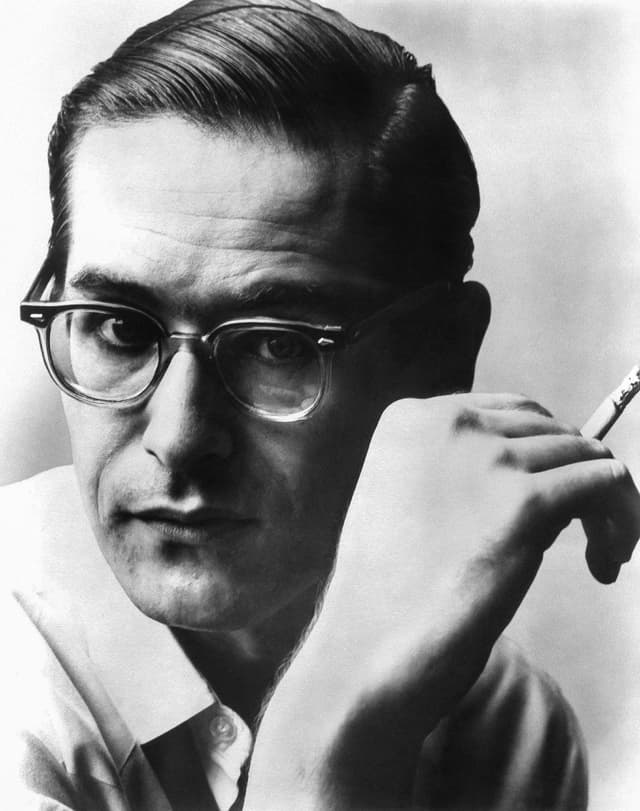
Bill Evans didn't announce himself with pyrotechnics. When he sat at the piano, he created space — room for ideas to breathe, for harmonies to suspend and resolve in unexpected ways, for a conversation between musicians rather than a display of virtuosity. Born in Plainfield, New Jersey in 1929, Evans brought a classical sensibility to jazz that never felt academic, blending impressionist influences from Debussy and Ravel with the rhythmic language of bebop into something entirely his own.
His touch was unmistakable: light but deliberate, capable of extraordinary lyricism without ever becoming precious. Where many pianists of the 1950s favored assertive, percussive approaches, Evans explored the instrument's capacity for color and texture. He thought in chords that shimmered rather than stomped, in melodies that unfolded like private thoughts made public. This wasn't background music or cocktail jazz — it was emotionally direct without being sentimental, intellectually rigorous without losing its humanity.
Evans' influence extended far beyond his own recordings. His six-month stint with Miles Davis in 1958 helped shape the harmonic foundation of "Kind of Blue," bringing modal thinking and voicing concepts that would define a generation. But his most profound contribution came through his trio work, where he pioneered a democratic approach to rhythm section interaction that fundamentally changed how jazz groups functioned. Every pianist who followed learned something from Evans, whether they acknowledged it or not.
Harmonic Sophistication and the Art of Touch
Evans' playing operated on multiple levels simultaneously. His harmonic language drew from twentieth-century classical composers, favoring quartal voicings, ambiguous tonalities, and chord structures that created maximum color with minimal movement. He could imply a key center without stating it directly, letting listeners fill in the harmonic information. This approach made even familiar standards sound freshly composed, as if the tune were being written in real time.
The physical act of playing mattered enormously. Evans' touch was analytical yet singing, capable of producing a bell-like clarity in the upper register while maintaining warmth in the bass. He rarely used his left hand for simple timekeeping, instead constructing contrapuntal lines that responded to his right-hand melodies. This created a self-sufficient sound even when playing solo, each hand contributing melodic and harmonic information rather than dividing into obvious roles.
His rhythmic conception was equally distinctive. Evans phrased behind the beat in a way that created tension without rushing, allowing notes to hang in the air before resolving. He favored rubato passages that felt spontaneous but were actually carefully controlled, and his sense of swing was understated — propulsive without being insistent. In trio settings, this approach demanded extraordinary listening skills from bass and drums, transforming the piano trio from a hierarchical format into genuine three-way improvisation. Scott LaFaro's melodic bass lines and Paul Motian's textural drumming on their Village Vanguard recordings captured this vision fully realized, a telepathic exchange where any member could lead or support moment to moment.
From Sideman to Defining the Modern Piano Trio
Evans' professional career began in the early 1950s, working as a sideman while developing his approach through countless club dates and recording sessions. His first albums as a leader in 1956 and 1957 showcased a mature voice already in place, but it was his work with Miles Davis in 1958 that brought wider recognition. On recordings like "Milestones" and the landmark "Kind of Blue," Evans' harmonic thinking helped Davis explore modal improvisation, providing voicings that opened up new melodic possibilities. His contribution to "Blue in Green" — whether as composer or co-composer remains disputed — demonstrated his gift for creating emotionally resonant miniatures.
The formation of his trio with bassist Scott LaFaro and drummer Paul Motian in 1959 marked the beginning of Evans' most influential period. Their recordings, particularly "Portrait in Jazz" and "Explorations," established a new template for small group interaction. LaFaro's untimely death in a car accident in 1961, just days after their legendary Village Vanguard performances were recorded, devastated Evans both personally and musically. Those final sessions captured a group at its absolute peak, demonstrating what Evans called "simultaneous improvisation" — three musicians thinking as one while maintaining individual voices.
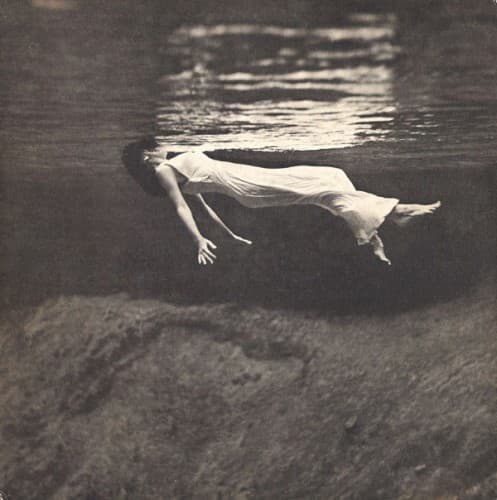
Evans eventually returned to performing, working through his grief by continuing to develop the trio concept with different personnel. His collaboration with guitarist Jim Hall on "Undercurrent" in 1962 explored intimate duo possibilities, two kindred spirits finding common ground between Evans' harmonic sophistication and Hall's subtle, conversational guitar style. The album's quiet intensity and chamber jazz approach influenced countless subsequent guitar-piano duets. Throughout the 1960s and 1970s, Evans maintained a rigorous recording and touring schedule, working with bassists Eddie Gomez and Marc Johnson, and drummers like Marty Morell and Joe LaBarbera. Each configuration brought different qualities, though none quite recaptured the telepathic connection of the original trio.
Later career highlights included his duo recordings with singer Tony Bennett, which showcased Evans' accompaniment skills and melodic sensitivity, and solo piano albums that demonstrated his self-sufficiency as a musical architect. He continued exploring new material while reinterpreting standards he'd played for decades, finding fresh approaches even as personal struggles with addiction affected his health. His final recordings in 1980 showed no diminishment of his creative powers, even as his physical condition deteriorated. He died in September 1980 at age 51, leaving behind a discography that documented three decades of harmonic innovation and expressive depth.
The Blueprint for Modern Jazz Piano Thinking
Evans' influence on jazz piano is so pervasive it's difficult to imagine the instrument's trajectory without him. His voicing concepts — the way he stacked chords, used rootless structures, and created movement through inner voices — became standard vocabulary for generations of pianists. Players as diverse as Keith Jarrett, Herbie Hancock, and Brad Mehldau all absorbed Evans' lessons, even when moving in different stylistic directions. His recordings remain essential study material in conservatories worldwide, analyzed for their harmonic sophistication and emotional directness.
The trio format Evans pioneered — where bass and drums function as equal improvisational partners rather than mere support — became the dominant model for small group jazz. His insistence on genuine dialogue between musicians, rather than solos over accompaniment, elevated the rhythm section's role and demanded higher levels of musicianship and listening. This democratic approach influenced not just piano trios but how jazz groups of all configurations thought about collective improvisation and interactive playing.
Beyond technical contributions, Evans demonstrated that introspection and vulnerability could be sources of strength in jazz, that music didn't need to be loud or extroverted to be powerful. His romantic sensibility and impressionist touches expanded jazz's emotional palette, proving that delicacy and sophistication could coexist with genuine feeling. The intimacy of his best work — that sense of overhearing a private meditation — created a direct emotional connection with listeners that endures decades after his death. His recordings continue to sell, introduce new audiences to jazz piano, and provide a masterclass in how to balance intellect and emotion, technique and expression, individual voice and collective conversation.